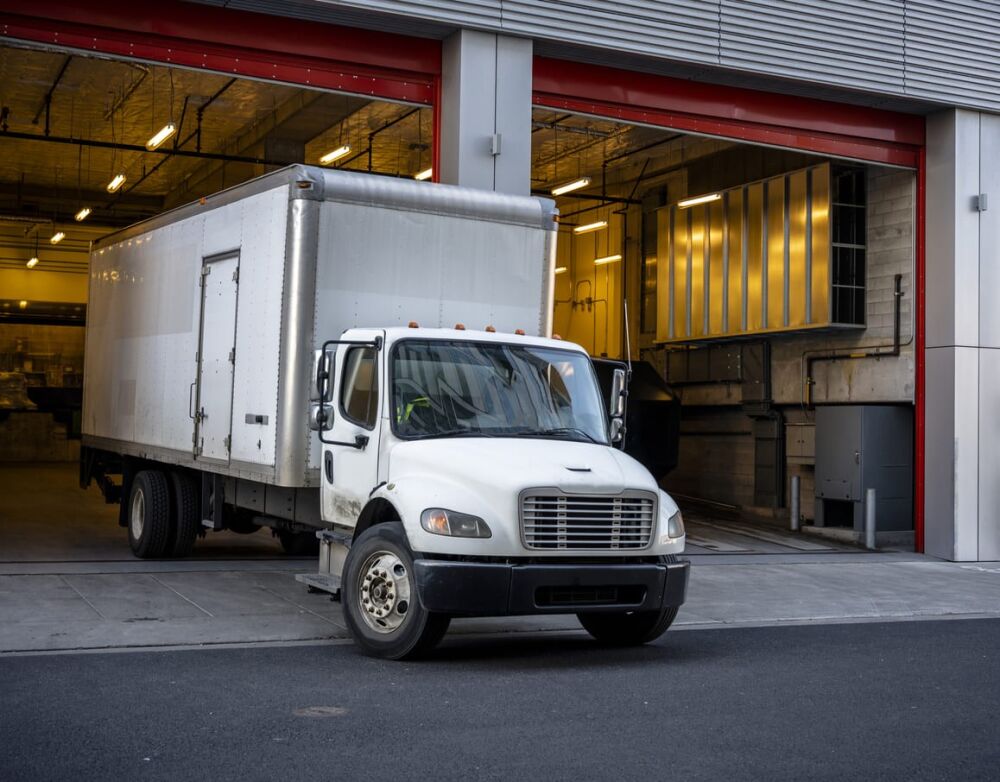

Independent trucking is one of the most rewarding career paths in the freight industry, but also one of the most demanding. As an independent contractor, you decide which loads to take, which lanes to drive, and how your company operates from day one. But that freedom comes with responsibilities that go far beyond the wheel. According to the American Trucking Associations, over 90 percent of trucking companies in the U.S. operate six or fewer trucks, which means the trucking industry is based on small, owner-operated companies running just a handful of trucks each.
The difference between an independent trucker who thrives and one who struggles usually comes down to discipline. That means staying on top of expenses, selecting freight wisely, managing cash flow, and keeping your authority in good standing. Whether you are interested in getting started or already have experience working as an independent contractor, these trucking business tips will help you tighten up your operation and protect your bottom line. You are responsible for every part of the business, and the freedom you gain is only worth the time you invest in running it right.

Introduction to the Independent Trucking Industry
The trucking industry moves goods across every state and connects companies nationwide. For drivers who want more control over their career, working as an independent contractor offers something company jobs cannot match:
- Choose your own schedule. Independent contractor drivers set their own hours and decide how they split their working days between the road and home.
- Work with multiple companies. Unlike company drivers who haul for one trucking company, independent contractors can work with several companies at once, giving them access to more freight.
- Higher earning potential. Drivers working as independent contractors often earn significantly more than company employees. Some owner-operators report up to three times more total revenue, though they also incur more expenses.
What Being an Owner Operator in Independent Trucking Really Means
Independent trucking means working under your own motor carrier authority rather than driving as a company employee. You own or lease your truck, find your own freight, and handle the administrative side from permits and insurance to invoicing and taxes. The trucking world offers different types of working arrangements, and your classification as an independent contractor or employee affects your pay, your job, and the benefits you qualify for.
Independent contractor drivers can work with multiple trucking companies, giving them more control over their schedules and earning potential. Owner-operators own their trucks outright or lease them through financing arrangements. Leasing is a popular option for drivers who want to get into independent trucking without a massive upfront cost. That is why many owner operators turn to a professional dispatch service to handle load booking, negotiations, and paperwork so they can spend more of their working hours driving trucks and earning revenue.
The FMCSA requires every carrier to complete quarterly IFTA reports, maintain proper insurance, and comply with hours-of-service regulations. Classification rules vary by state, so training yourself on local requirements helps you avoid violations. The initial investment to start in independent trucking often exceeds $100,000 when you factor in the truck, licensing, permits, and insurance, but drivers who choose their loads wisely and run a disciplined company based on real numbers can earn significantly more than company employees paid on a fixed schedule.
Independent Contractor vs Company Employee
Understanding the difference between these two paths is one of the most important decisions drivers make. Here is how they compare:
- Independent contractors handle all expenses truck payments, fuel, insurance, maintenance, and taxes. They secure their own health insurance and retirement plans, set their own hours, and determine which companies to work with.
- Company employees receive benefits such as health insurance, workers' compensation, and paid leave. They drive company trucks, get paid a consistent wage, and have a more stable environment but less control.
Independent contractor drivers can claim tax deductions for fuel, truck maintenance, insurance, and loan interest. For drivers willing to manage their own operation, the contractor path offers more earning potential, but it requires discipline.

Smart Load Selection for Independent Trucking
One of the biggest advantages of independent trucking is the ability to choose your own freight. But that only pays off if you are strategic. Taking every job on a load board without checking the per-mile rate is a fast way to lose money. Smart load selection starts with knowing your cost per mile and never hauling below it.
- Know your lanes. Focus on routes where you can find backhauls to reduce deadhead miles. Trucks driving without a load generate zero revenue. The Bureau of Transportation Statistics tracks freight movement data based on state traffic patterns that can help drivers identify high-volume corridors.
- Negotiate rates. Brokers post their starting offer it is rarely their best. Owner operators who understand how freight rates work and push back on lowball offers earn more per load. Working with a dispatch company that negotiates on your behalf saves drivers time on every run.
- Use dispatch support. A qualified truck dispatch service can handle load sourcing and negotiations while you drive, keeping your trucks working instead of sitting idle. Many independent contractor drivers use dispatch to keep trucks moving and avoid gaps between loads.
- Match your truck to the freight. If you drive a dry van or reefer, choose lanes where that type of trailer is in demand. Drivers who specialize in certain freight types create steady relationships with companies and earn consistent rates.
Keep Your Expenses Under Control
When freight rates are steady instead of booming, your margins depend on what you spend. Fuel, insurance, maintenance, and truck payments are the four biggest categories for any independent contractor. Drivers who track their numbers and drive with fuel efficiency in mind stay profitable when the market gets tight.
- Fuel management. Fuel is your highest variable cost. Use fuel cards, shop for the best stops along your route, and watch your idle time. Trucks that sit idling burn through cash fast. The U.S. Department of Transportation publishes resources on fuel-efficient driving practices designed for commercial trucks and vehicles.
- Preventive maintenance. A breakdown on the road costs three to five times what a scheduled shop visit would run you. Keeping a log and not skipping inspections during your truck's downtime are among the fastest ways to lose money in independent trucking.
- Insurance and expense tracking. Shop your insurance annually instead of auto-renewing, and track every dollar spent on fuel, tolls, repairs, and loan payments. If you do not know your monthly numbers, you cannot decide which loads are actually worth taking. Set aside a block each week to review your expenses so nothing slips through.

Cash Flow Is the Real Challenge for Independent Trucking
Most independent truckers who fail do not fail because of bad freight. They fail because they run out of cash. You complete a load today, but the broker or trucking company may not pay for 30 to 90 days. Meanwhile, your fuel bill, truck payment, and insurance do not wait. According to OOIDA, cash flow gaps remain among the top reasons small carriers go out of business. Drivers working as independent contractors get paid on the broker's schedule, and that gap can decide whether your trucks keep rolling or sit parked.
This is where freight factoring becomes a practical tool for independent contractor drivers. Instead of waiting weeks for payment, you sell the invoice after delivery and get paid the same day or the next day. It is not a loan, it is simply getting money now for work you already completed. Factoring also eliminates the time spent chasing down payments from slow-paying companies. With factoring services, you get free credit checks on brokers, free invoicing, and same-day processing with no set-up fees or monthly minimums. For any independent trucking business, reliable cash flow is what keeps trucks on the road.
Stay Compliant and Protect Your Authority
Your operating authority is the foundation of your independent trucking career. Lose it, and you are off the road. Compliance requirements vary by state, and staying informed is part of every independent contractor's job. The FMCSA enforces strict regulations around hours of service, ELDs, vehicle inspections, and driver training and qualifications. Drivers who choose to lease trucks should also understand how different types of lease agreements affect their compliance obligations.
- ELD compliance. Electronic logging devices are mandatory for most carriers. Make sure your device is registered, and your logs are accurate. Violations can lead to out-of-service orders.
- IFTA and insurance. File your fuel tax reports quarterly and keep your insurance current. The FMCSA requires minimum liability coverage for all carriers. Lapses can trigger automatic revocation of your authority.
- Vehicle inspections. Pre-trip and post-trip inspections are required, not optional. A clean CSA score keeps your authority in good standing and makes your company more attractive to brokers and shippers. Trucks that pass inspections consistently get more opportunities for premium loads. The ATRI provides research on how safety scores impact carrier profitability.
Working with Other Contractors
One advantage of being an independent contractor in trucking is the ability to connect with other drivers and build a network:
- Shared knowledge. Other drivers can share experience on which companies pay on schedule, which lanes are running well, and which brokers to avoid.
- More load opportunities. When drivers working in the same region share information about available freight, trucks stay moving, and revenue stays consistent.
- Stronger negotiating position. Contractors who build relationships with the same trucking companies can sometimes negotiate better contract terms than they could on their own.

Run Your Independent Trucking Operation the Right Way
Independent trucking gives drivers the opportunity to create something of their own, but only if they treat it like a real company, not just a driving job. Stay disciplined with your loads, keep your spending tight, manage your cash flow, and never let your compliance slip. Drivers who run their trucks with intention are the ones who build lasting companies. If you are ready to get professional dispatch support from a company that understands independent trucking, check out our transparent pricing, take invoicing off your plate, and reach out to Resolute Logistics today to start running your operation like a pro.