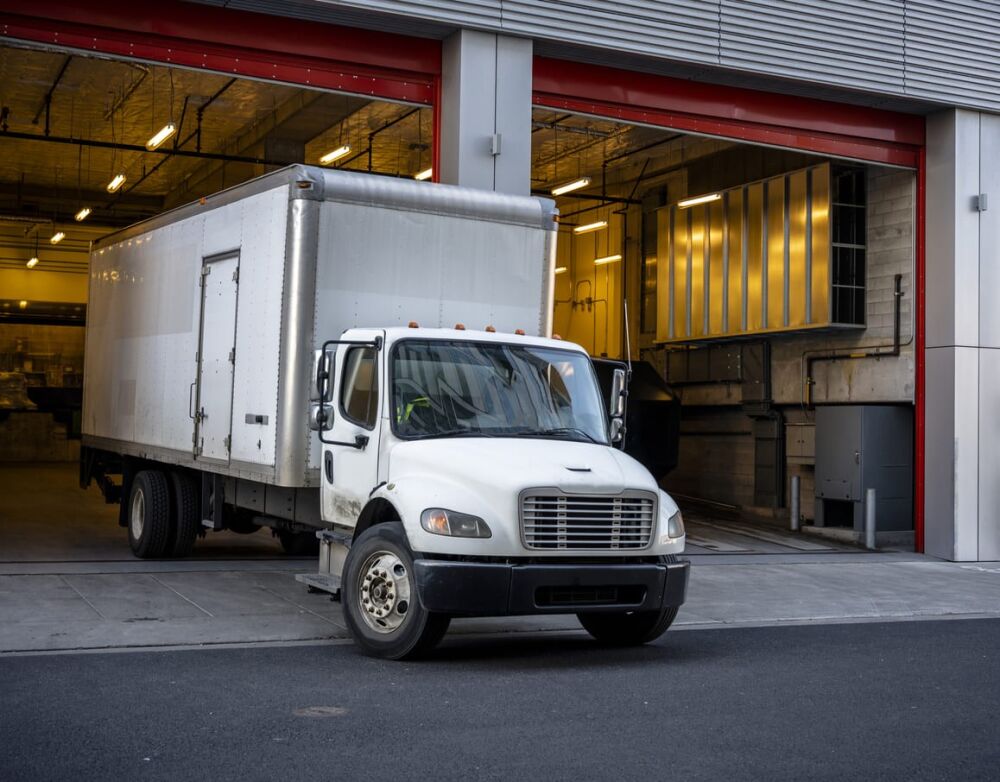

Freight rates determine how much money moves through your trucking business on every single load. Whether you’re hauling dry van, flatbed, or reefer, understanding how rates are calculated gives you a real advantage when negotiating with brokers and planning your lanes. Trends in the energy sector and forecasts about the future of pricing are also important considerations.
For owner operators, rates are not just numbers on a load board. They’re the difference between a profitable week and one that barely covers fuel. The trucking industry moves on supply and demand, and pricing shifts based on capacity, fuel prices, seasonal trends, and economic conditions.
This guide breaks down how freight rates work, what drives their fluctuations, and what carriers can do to protect their margins. Whether you’re new to running your own trucking business or looking to sharpen your rate strategy, regular analysis of market data is essential.

What Are Freight Rates and How Are They Calculated?
Freight rates are the prices shippers and brokers pay to transport goods from one destination to another. Freight brokers and freight forwarders play a key role in estimating costs and managing the transportation of shipments. In trucking, rates are typically quoted per mile, though some shipments, especially less-than-truckload freight, may be priced by weight class or commodity type.
Several factors go into how freight rates are calculated:
- Distance and lane. The miles between pickup and delivery set the starting point. Rates vary by lane; high-demand corridors between major hubs typically pay better than backhaul routes. If a freight truck travels to a rural area with no cargo on the return trip, a higher rate applies to the empty return.
- Freight type and weight. Heavier shipments and specialized cargo cost more to transport. Temperature-sensitive goods on a reefer trailer are priced differently from a standard truckload shipment. Shipment density, weight, and dimensions all affect classification and costs.
- Equipment required. Flatbed freight rates, reefer rates, and dry van rates each have their own benchmarks. Lading capacity and the use of pallets can also affect classification and pricing.
- Fuel prices and surcharges. Diesel costs are a major factor in every rate. Most contracts include a fuel surcharge that adjusts as prices change, while spot rates absorb fuel costs into the quoted price.
- Market conditions. Supply and demand across the transportation industry shift constantly. When there are more trucks than loads, rates drop. When capacity tightens, they rise.
Freight forwarders also help manage cross-border shipments between the U.S. and Canada, handling customs and logistics to keep costs competitive in both countries.
Spot Market Rates vs Contract Rates
There are two primary pricing structures in freight shipping: spot rates and contract-based agreements. Understanding both is essential for any carrier managing their own dispatch and load planning.
Spot rates are one-time prices found on load boards and marketplaces. They fluctuate daily based on real-time supply and demand in the spot market. When capacity is tight, they spike. When trucks outnumber available loads, they fall.
Contract rates are negotiated with a shipper or broker, typically covering several months to a year, offering carriers more stability. Most successful owner operators use a mix of contracts to provide a baseline of steady freight, while spot loads fill gaps. A strong dispatch partner can help balance both strategies.

Factors That Cause Freight Rates to Fluctuate
Freight rates are never static. According to the Bureau of Transportation Statistics, transportation costs represent a significant share of the national economy, and trucking pricing reflects broader shifts in supply, demand, and trade.
Here are the main factors that move rates:
- Supply and demand. This is the single biggest driver. When volume is high and truck capacity is limited, rates climb. When the market is oversaturated, prices drop.
- Fuel prices. Diesel costs directly affect the cost of moving every load. Rising fuel prices increase operating costs per mile, pushing rates up, especially in the spot market, where surcharges are less standardized.
- Seasonal trends. Produce season, holiday shipping, and end-of-quarter inventory pushes all create spikes that drive rates higher. Winter weather can also tighten capacity on affected lanes.
- Economic conditions. Manufacturing output, consumer spending, trade policy, and energy-sector activity all influence the volume of freight moving. A strong economy means more shipments and higher rates.
- Regulatory changes. New rules from the FMCSA around hours of service, electronic logging, or emissions standards can reduce available capacity and push costs up across the transportation network.
- Geopolitical events. Conflicts in the Middle East, port congestion, and labor strikes can force rerouting, reduce available supply, and increase rates due to delays in global supply chains.
- Rail and intermodal transportation. Train networks move freight between inland points and ports, and shifts in intermodal capacity or pricing can affect trucking demand and rates.
Freight cycles typically last about two years before the market adjusts, with periods of growth or downturns reflecting broader economic trends.
Current Freight Rates and the 2026 Market
As of early 2026, national spot rates average $2.47 per mile for dry van, $2.95 for flatbed, and $2.88 for reefer. Contract rates generally run 15–30% higher than spot averages, offering more predictable revenue for those who lock in agreements.
Regional differences matter, rates vary significantly by region. The Midwest tends to offer stronger pricing due to balanced flows from manufacturing and agriculture. The Northeast often sees lower numbers because more trucks enter the region than there is outbound freight to ship. In California, higher fuel costs per mile can offset what appears to be a competitive rate, though efficient trucks help improve utilization.
Staying informed on rate trends is critical. Resources from the American Trucking Associations and the U.S. Department of Transportation can help you benchmark against the broader market and make smarter decisions on which loads to accept.

Freight Shipping Services and Rates by Equipment: Dry Van, Reefer, and Flatbed
Not all freight shipping costs are equal. The trailer type and the shipping services you offer directly affect the rates you can command.
- Dry van. The most common equipment type in truckload shipping, dry vans, handle general freight that does not require temperature control. Goods are transported in an enclosed trailer, protecting them from the elements. These rates are the industry's baseline benchmark.
- Reefer. Refrigerated trailers carry temperature-sensitive freight, including produce, pharmaceuticals, and frozen goods. Reefer rates are typically higher because of added equipment cost and fuel for the refrigeration unit. Pallets and the space they occupy are key factors in cost planning.
- Flatbed. Flatbed freight rates tend to be among the highest in trucking because loads often require tarping, securing, and specialized knowledge. Construction materials, steel, and oversized cargo all move on flatbeds.
- Hotshot and power only. Smaller equipment, like hotshot trucks and power-only units, serve niche markets with shorter hauls and faster turnaround. Treating multiple packages as a single shipment can sometimes be more cost-effective.
Truckload Shipping vs Less Than Truckload Pricing
Full truckload shipments are priced per mile and represent the majority of work for independent owner operators. Less than truckload shipments combine cargo from multiple shippers into one trailer, priced by freight class, weight, and distance. Many small businesses rely on brokers and load boards to access competitive pricing. Understanding LTL helps you spot opportunities when a partial load comes up. The OOIDA considers this a basic but important part of running a profitable operation.
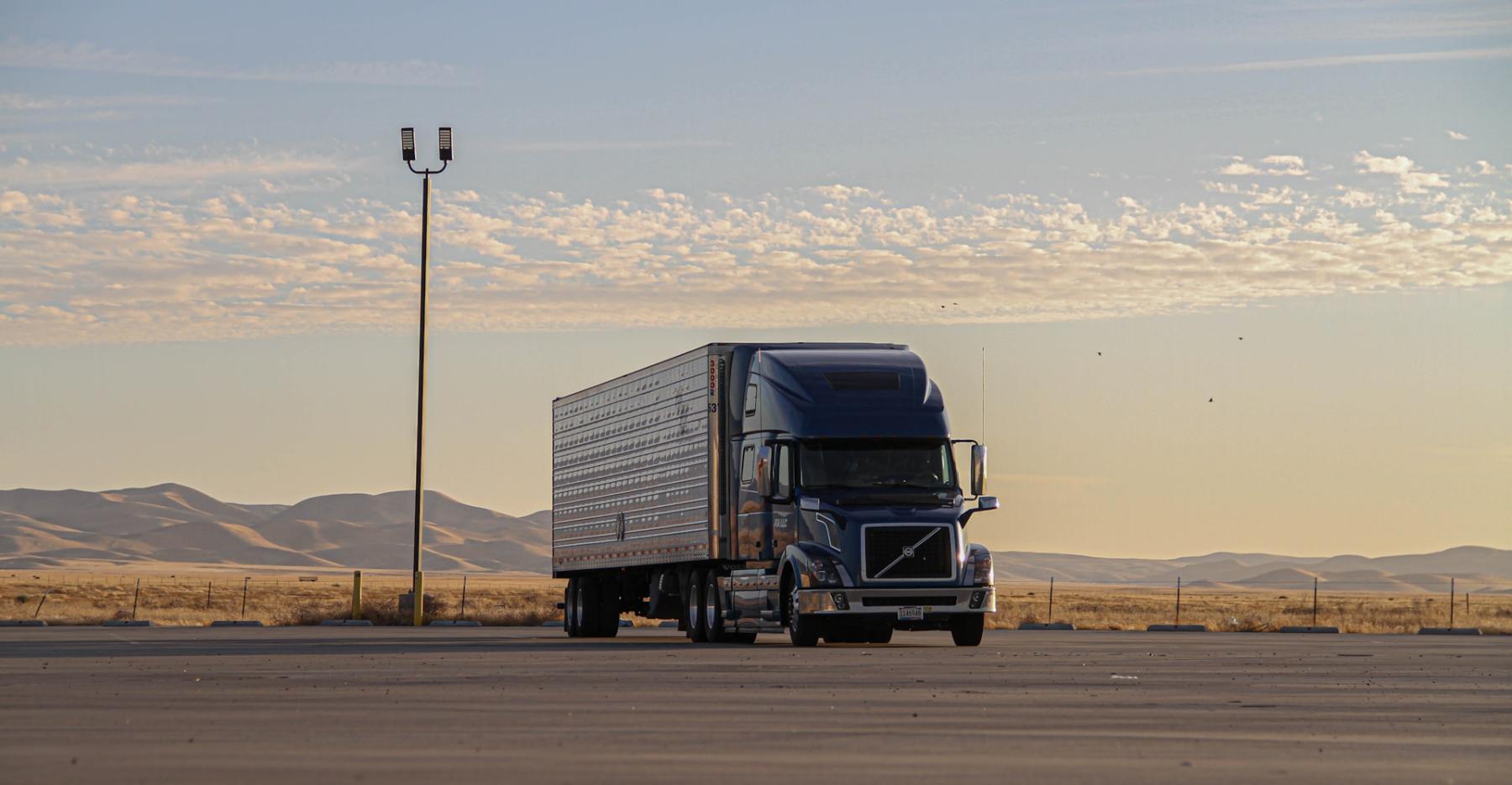
How Owner Operators Can Protect Their Freight Rates
The carriers that stay profitable in any market treat rate management as a core part of their business. Here are practical steps to protect your margins:
- Know your cost per mile. Before you accept any load, know what it costs to operate fuel, insurance, maintenance, permits, and taxes. The ATRI publishes annual data on average operating costs that can help you benchmark your breakeven number.
- Use load boards and dispatch strategically. Comparing rates across multiple load boards and trucking platforms gives you a clearer picture of what the market is paying. A dispatch service adds another layer; experienced dispatchers negotiate on your behalf.
- Build broker relationships. Consistent contracts with reliable brokers and shippers provide a revenue floor that protects you when spot prices dip. Stability means less time searching for loads and more time earning.
- Track the market. Stay informed on forecasts, fuel price movements, and capacity data. Use analysis and benchmark tools to support strategic decisions. Reports from the BLS help you anticipate shifts before they hit your bottom line.
- Reduce deadhead miles. Every empty mile is money lost. Efficient trucks and optimized fleet management help minimize deadhead. Book return loads or position yourself in high-demand markets between contracts.
Build a Rate Strategy That Works for Your Business
Freight rates will always fluctuate; that is the nature of the trucking industry. What separates profitable carriers from those that struggle is having a plan. Know your costs, stay informed about market conditions, and build a mix of spot and contract freight to keep your trucks loaded. For carriers who want to keep cash flowing while building smarter rate strategies, factoring services eliminate the 30–90 day wait for broker payments. You get paid the same day your delivery is complete. If you’re ready to take control of your cash flow, reach out to our team to see how we can help.