Owner operator trucking is one of the most common career moves in the industry and one of the most misunderstood. The earning potential is real, but so are the costs and responsibilities that come with running your own business. Before making the jump, it helps to understand what you are actually signing up for.
This guide covers what owner operators do day to day, the honest pros and cons of going independent, how the numbers compare to company driving, and what it takes to succeed in 2026.
What Is Owner Operator Trucking?
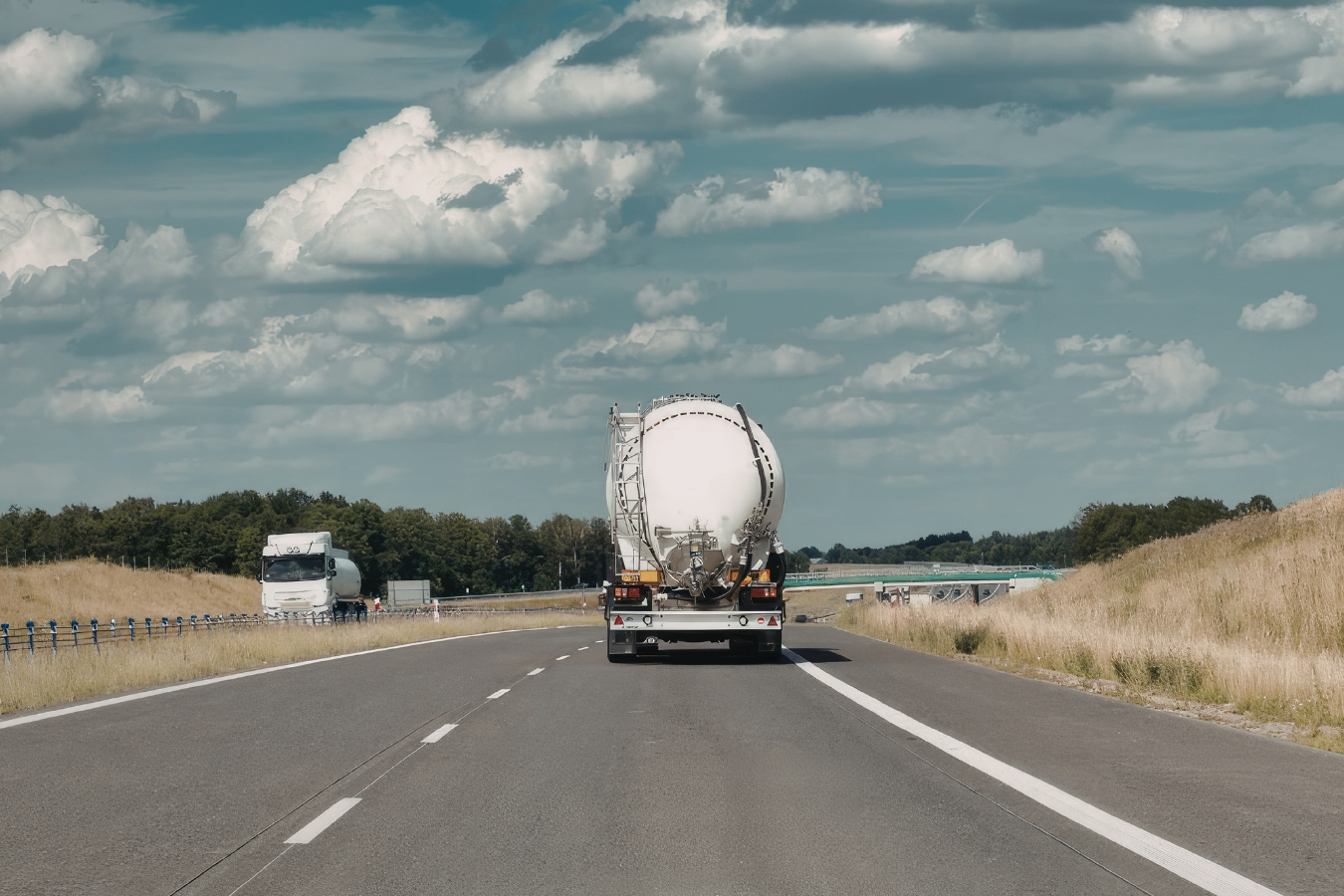
An owner operator truck driver is a self-employed professional who owns or leases their truck and operates as an independent business. Unlike a company driver who drives a vehicle owned by their employer, an owner operator is responsible for finding freight, managing expenses, and running every aspect of their operation.
Owner operators typically run under one of two models:
- Leased to a carrier — you operate under an established trucking company's authority and benefit from their freight network, fuel discounts, and back-office support. You give up some control in exchange for more consistency.
- Own authority — you operate under your own MC number, deal directly with brokers and shippers, and keep a larger share of each load. More control, more responsibility, and more risk. See our guide on how to start a hotshot business for a practical look at what it takes to get started.
Owner Operator Work: What the Day-to-Day Actually Looks Like
Owner operator work goes well beyond driving. On any given day, an owner operator might be searching load boards, negotiating rates with brokers, handling paperwork, managing fuel costs, scheduling maintenance, and tracking expenses, all while actually hauling freight.
This is important to understand before making the switch. The freedom is real, but so is the workload. Here is what owner operator work typically involves:
- Finding and booking loads either through load boards, direct broker relationships, or a dispatch service.
- Negotiating rates and reviewing rate confirmations before accepting a load.
- Managing all truck maintenance from routine oil changes to unexpected repairs. When the truck is down, revenue stops.
- Handling invoicing, collections, and cash flow, or using freight factoring to get paid faster.
- Staying compliant with FMCSA regulations, permits, insurance requirements, and tax filings.
The Pros of Running Your Own Trucking Business
For the right person, owner operator trucking offers significant advantages over company driving. Here are the strongest reasons drivers make the move:
- Higher earning potential — owner operators keep a much larger share of each load than company drivers. Operators running their own authority can gross $150,000 to $300,000 or more per year, depending on equipment type and lane strategy.
- More control over your business — you choose which loads to haul, which brokers to work with, which routes to run, and how many miles to put in. No company policies dictate your day.
- Own loads, own schedule — you decide when you work and when you rest. That flexibility is one of the biggest draws of independent trucking, especially for drivers with families or specific lifestyle goals.
- Fuel card access and discounts — many carriers and factoring companies offer fuel discounts and fuel card programs that help owner operators reduce their highest variable cost.
- Greater independence — you run your own trucking business, build your own reputation, and grow on your own terms. For many drivers, that sense of ownership is worth more than the paycheck.
- Tax advantages — as a self-employed operator, you can deduct fuel, maintenance, insurance, depreciation, and other business costs that company drivers cannot.

The Cons of Owner Operator Trucking
The freedom to run your own operation comes with real trade-offs. These are the most common challenges owner operators face:
- No steady pay — unlike a company driver who receives a predictable paycheck, an owner operator's income depends entirely on the loads they haul. Slow weeks, breakdowns, and payment delays all hit the bottom line directly.
- High business costs — truck payments, insurance, fuel, maintenance costs, permits, and taxes are all on you. Operating costs per mile reached $2.26 in 2024, according to the American Transportation Research Institute. The Bureau of Transportation Statistics tracks these trends annually — useful for benchmarking your own numbers.
- No employer benefits — health insurance, retirement contributions, or paid time off — come with the job. Owner operators need to budget for these separately, which adds to the real cost of independence.
- Administrative burden — finding loads, managing paperwork, handling compliance, and chasing payments takes time away from driving. Many operators underestimate this side of the business before they start.
- Cash flow gaps — broker payment terms of 30 to 90 days can create serious cash flow problems, especially early on. Freight factoring is the most common solution, but it comes at a cost.
- Maintenance responsibility — when your truck needs repairs, you pay the bill and absorb the downtime. A major breakdown without reserves can stall an entire operation.
Company Driver vs Owner Operator: How the Numbers Compare
The decision between company driver work and owner operator trucking comes down to risk tolerance, financial readiness, and what you want from the career. Here is how the two paths compare:
- Company truck driver — steady pay, no overhead, employer-covered fuel and maintenance, predictable schedule, and access to benefits. Less earning potential but far less financial risk. A good path for drivers building experience or who prefer stability.
- Owner operator — higher gross earnings, full control over loads and routes, greater independence, and the ability to build equity in a business. Comes with full financial responsibility for every cost.
According to FMCSA registration data, 91.5 percent of U.S. carriers operate ten or fewer trucks. Most owner operators start as company drivers, gain experience, build savings, and transition to their own authority when they are financially ready.
Is Owner Operator Trucking Worth It in 2026?
The freight market in 2026 is stabilizing after a difficult two-year cycle. Rates are improving in key lanes, capacity is tightening, and operators who survived the downturn are better positioned than ever. According to the American Trucking Associations, trucks move over 70 percent of all domestic freight, and reliable independent carriers are not going away.
Owner operator trucking is worth it in 2026 for drivers who:
- Have at least one to two years of experience and a solid understanding of their cost per mile.
- Have adequate cash reserves, most industry veterans recommend $15,000 to $30,000 before going independent.
- Are you prepared to treat the operation as a business, not just a driving job?
- Have a plan for cash flow, either through savings, a line of credit, or freight factoring from day one.
- Are willing to put in the work to build broker relationships and develop consistent, profitable lanes. OOIDA offers education and resources specifically for independent carriers starting out.
For drivers who are not yet ready, staying on as a company driver while building savings and industry relationships is the smarter path.
How Resolute Helps Owner Operators Succeed
Running a successful owner operator trucking business is easier with the right support. Resolute works with independent carriers across the U.S. and Canada to solve the two biggest day-to-day problems: finding profitable freight and getting paid fast.
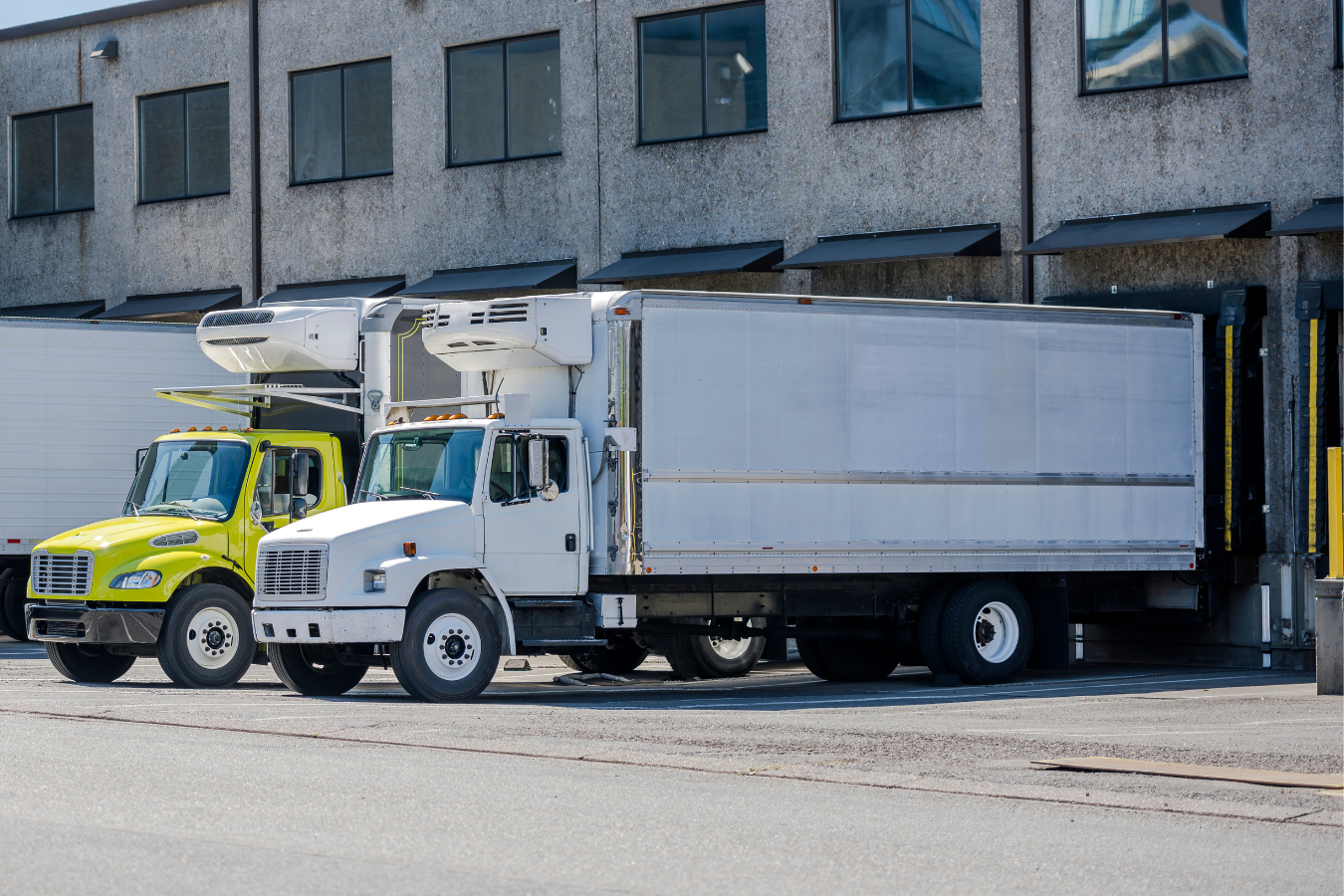
Our dispatch services handle load searches, broker negotiations, rate confirmations, and check calls so you can stay focused on driving. We work with dry van and reefer, hotshot, box truck, power-only, and flatbed operators, offering a straightforward percentage with no admin fees.
Our factoring services eliminate the cash flow gap, deliver the load, sell the invoice, and get paid the same day or next day. Same-day processing, next-day ACH at no cost, and free broker credit checks included. See the pricing page for a full breakdown, or contact us today to get started.