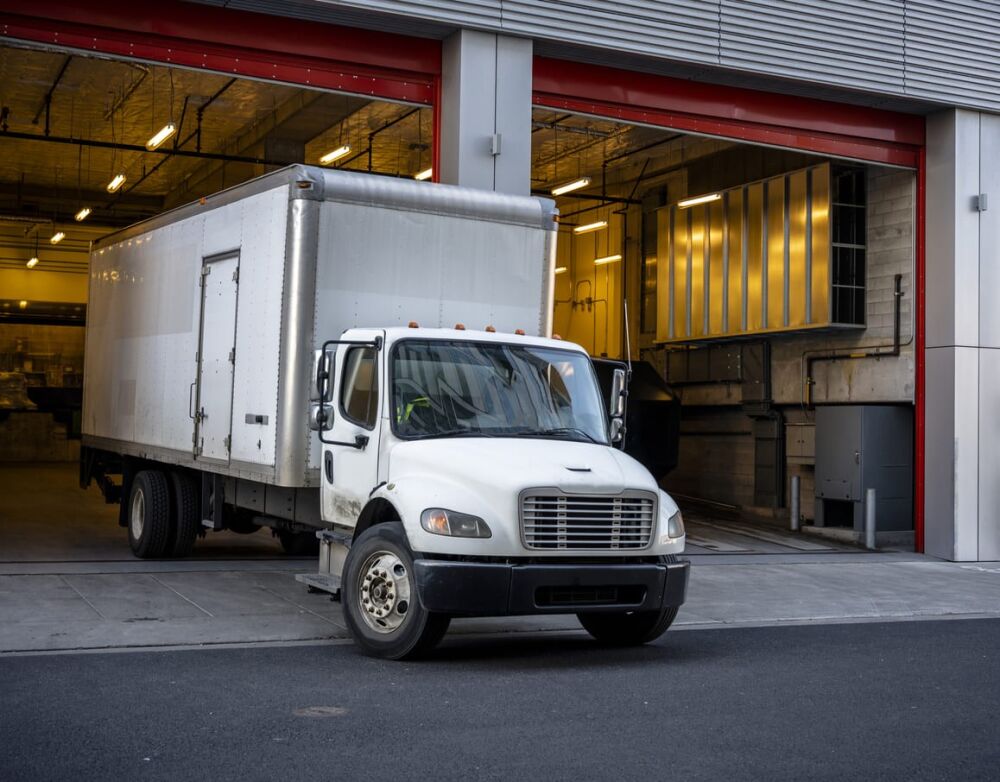

Running a trucking company or being an owner-operator requires regular freight search. Many drivers question how to get truck loads without a broker to avoid exorbitant commission fees or get greater schedule and pricing control.
While brokers are still prominent in the freight sector, truckers can interact with shippers directly or use professional support services to get loads. Understanding these possibilities helps carriers move vehicles and make money.
Ways to get truck loads without a broker
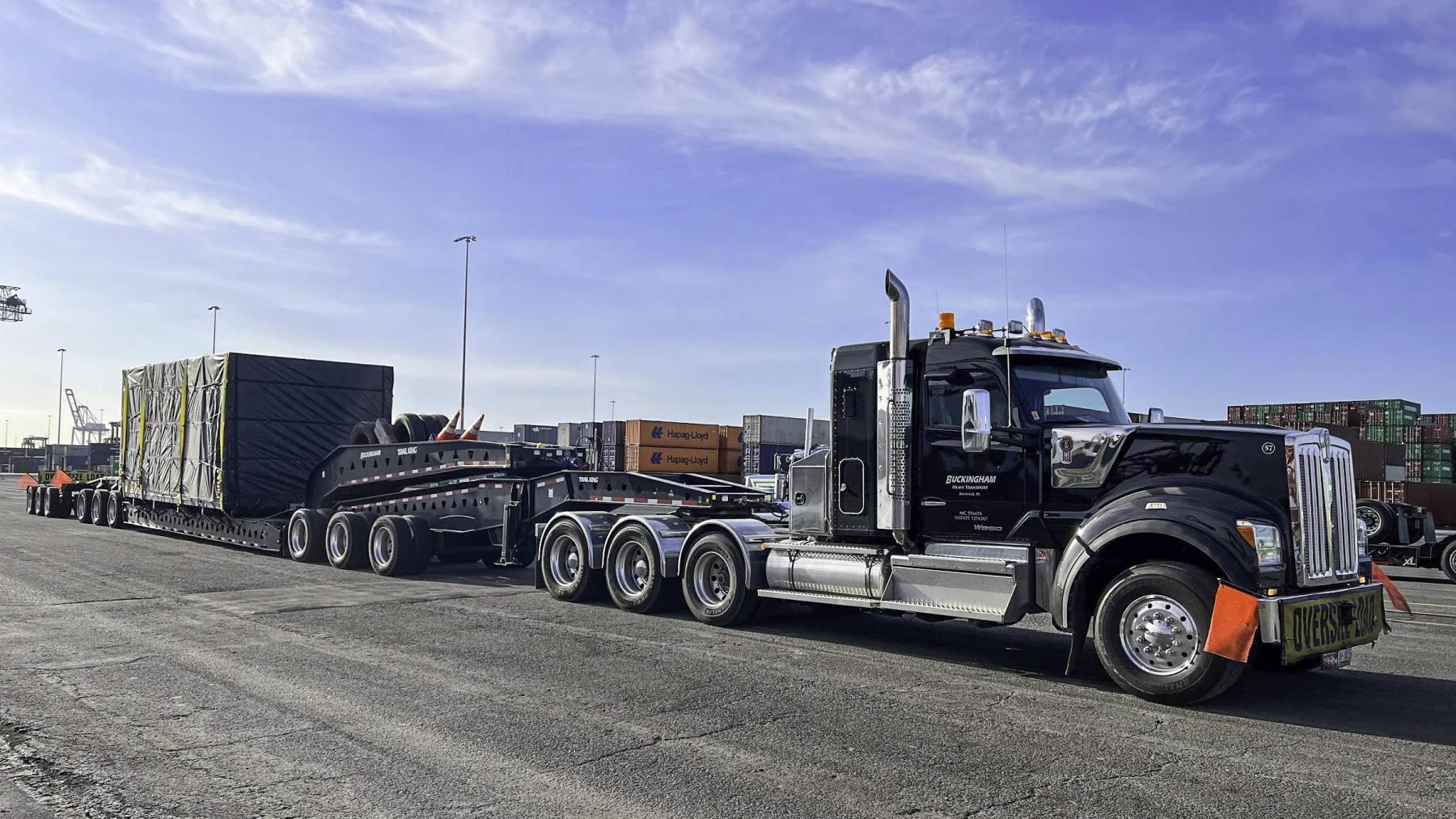
Today, independent drivers have more freight connections than ever. Carrier freight pipeline management is easier because of technology, networking, and professional logistics services. Each technique takes time, organization, and logistics market knowledge.
Load boards
Many drivers learn how to find loads without a broker by using internet load boards. These portals include thousands of freight opportunities from shippers, brokers, and logistics organizations seeking trucks. Load boards let drivers sort freight by route, cargo, and equipment. Carriers may find cargoes that match their truck capacity and routes with the correct search approach.
Direct relationships with shippers
Directly contacting shippers is another way to find loads without a broker. Many firms transfer items frequently and seek reliable carriers. Local manufacturers, wholesalers, warehouses, and agricultural producers are routinely contacted to form these partnerships. You may win repeat freight business by promoting your services and being reliable.
Direct partnerships can offer several advantages:
- More consistent freight availability
- Potentially better payment terms
- Long-term relationships with regular shipping schedules
- Reduced reliance on third-party intermediaries
Making these connections takes time. Communication, reputation, and service quality must be prioritized by drivers. Multiple direct clients can be difficult to manage without good organization and scheduling.
Networking and industry connections
Networking in the trucking and logistics industry might help find freight to haul. Shippers, warehouse operators, and other carriers can be met at industry events, internet forums, and transportation associations.
Experienced drivers often get freight leads from word-of-mouth. Shippers generally choose trustworthy contacts for fast, reliable shipment.
Professional networking can include:
- Attending logistics and transportation trade shows
- Joining trucking associations or online communities
- Building relationships with warehouse managers
- Connecting with other carriers who may share overflow freight
Networking can lead to valuable opportunities, but it rarely works immediately. Building industry trust and recognition takes time, consistency, and excellent service.
Working with dispatch professionals
Many owner-operators recommend freight dispatch services as an alternative. Dispatch businesses acquire freight for carriers and coordinate logistics to keep vehicles moving. Dispatchers work for carriers, not brokers. They find cargoes, negotiate rates, manage paperwork, and connect with shippers or brokers for drivers.
Choosing this choice requires understanding the difference between a freight broker vs truck dispatcher. Brokers represent shippers and take freight rate commissions. However, dispatchers represent the carrier and negotiate the best loads and pricing for drivers.
Resolute Logistics – supporting from finding a load to final delivery
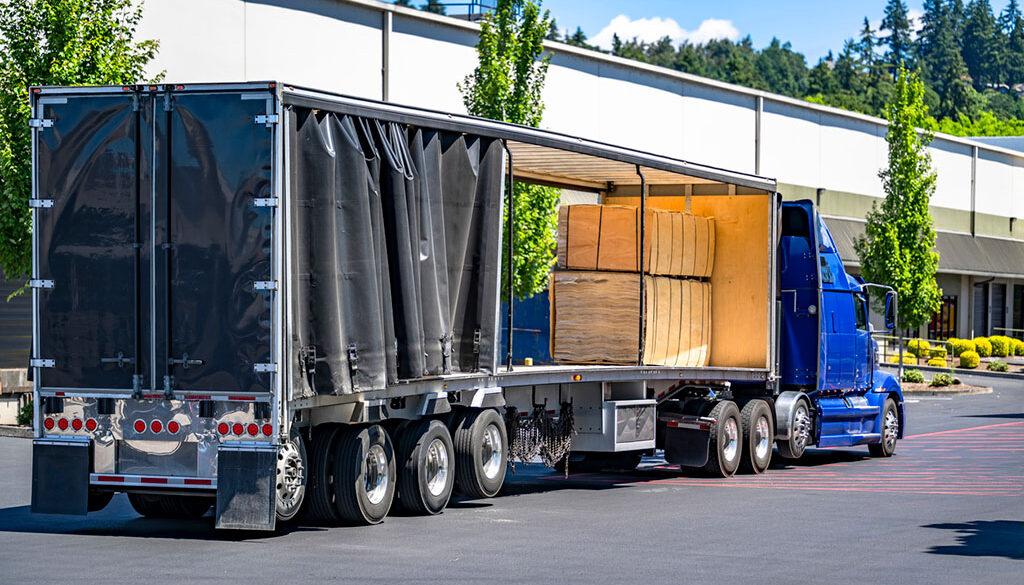
New owner-operators expanding their business networks may find freight management difficult. Professional dispatchers like Resolute Logistics are crucial here. Resolute operations help in finding freight to haul and streamline operations. Their dispatch service helps drivers find freight, arrange deliveries, and complete paperwork.
Drivers with Resolute Logistics receive professional help to keep their vehicles busy and lucrative instead of spending hours hunting for loads. To ensure efficient transportation, dispatchers monitor freight opportunities, negotiate competitive rates, and connect with shippers.
The company helps independent carriers with several operational tasks that slow them down. Paperwork management, scheduling coordination, and market advice are examples. Drivers may focus on driving and providing excellent service while logistics experts handle these responsibilities.