Every owner-operator feels the difference between good dispatch and bad dispatch. It shows in your settlements, in how often your truck sits empty, and in the hours lost to phone calls and paperwork. Behind it sits something most drivers never see: truck dispatcher training. The person booking your freight either learned this work right or did not, and you pay for the gap.
This guide covers what dispatcher training includes, what a freight dispatcher does, and the standard you should expect from anyone on your loads. Whether you self-dispatch or hire a pro, knowing what good training looks like helps you judge the truck dispatch service you pay for.
At Resolute Logistics, our professional dispatch services are built on that standard. We know the trucking industry from the broker side, so your truck stays loaded.
What Dispatcher Training Actually Covers
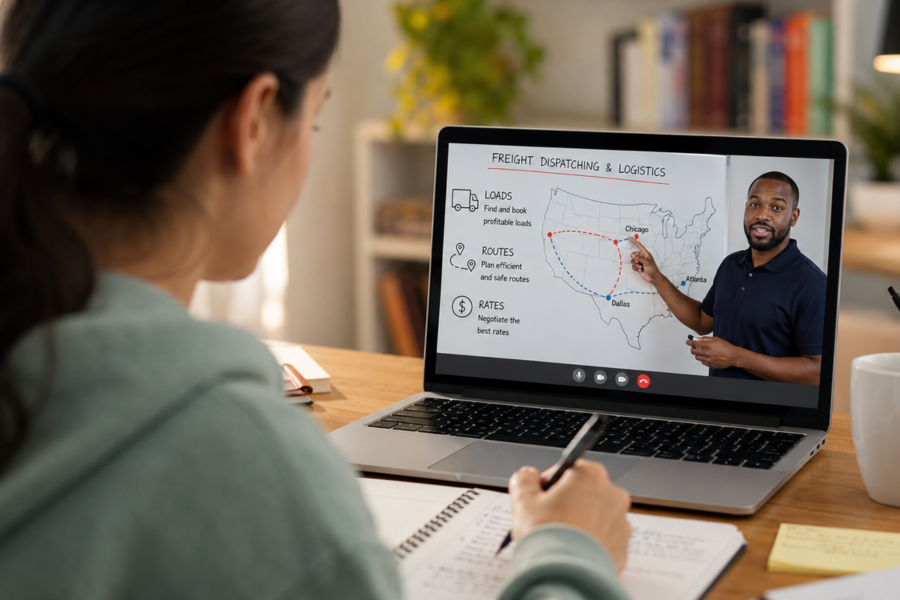
Quality truck dispatcher training focuses on logistics knowledge and practical operational skills, not theory. A good training program teaches what keeps freight moving: how load boards work, how to map transport routes, how to negotiate rate confirmations, and how to stay inside federal rules. Becoming a truck dispatcher starts with mastering freight industry fundamentals and load board operations.
-
Load planning, booking, rate negotiation, and regulatory compliance form the core of most training courses, the tasks that decide whether a truck runs profitably or sits still.
-
Trainees learn standard truck types, industry terminology, and shipping documents, so they can talk freight and read a rate confirmation without guessing.
-
Programs cover dispatch software and logistics tools, since dispatchers must be comfortable with digital platforms, mobile dispatch apps, and spreadsheets to track every load, manage transportation data, and keep tabs on equipment.
-
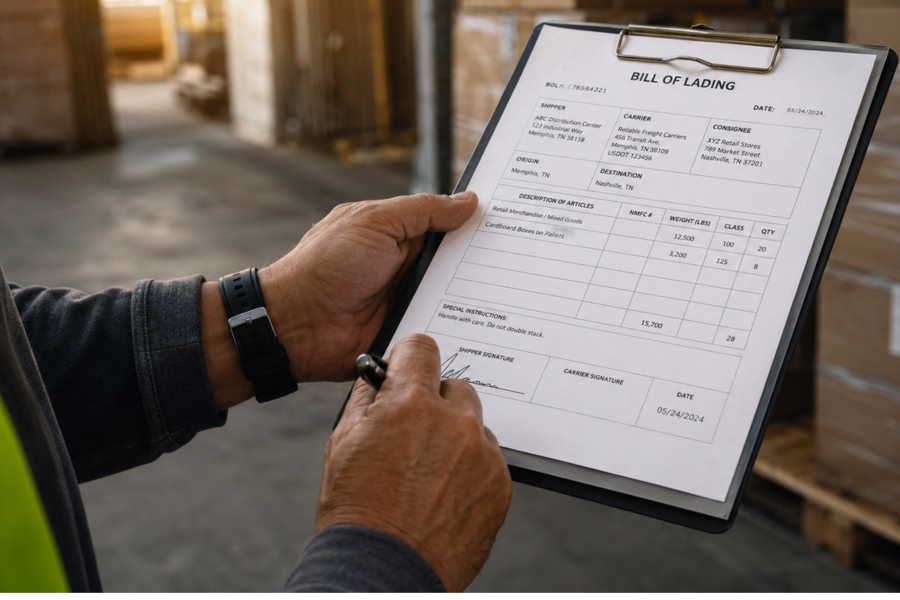
Comprehensive training includes regulations and documentation, the paperwork that follows a load from pickup to delivery.
The barrier to entry looks low. Many truck dispatcher training courses cost under $100 online, and most training programs take two to four weeks, often around 40 hours of on-demand instruction. Some cover only the basics and logistics; others go deeper into route planning and load tracking and offer a certificate to prove competency.
The Core Responsibilities of a Freight Dispatcher
A freight dispatcher is the vital link between shippers, brokers, and carriers, and the core responsibilities go beyond finding a load. A dispatcher manages drivers' schedules and delivery routes, coordinates with customers about delivery details and timelines, and keeps freight moving across the transportation industry.
-
Route planning and mapping the best routes, so a truck runs full miles instead of empty ones and hits realistic arrival times.
-
Tracking drivers' logs, including orders and arrival times, and getting ahead of problems before they cost a load.
-
Completing shipment paperwork, invoices, and dispatch papers, and handling rate confirmations with every freight broker.
-
Handling customer inquiries and complaints, plus the administrative tasks and shipping operations behind every move.
That is why core competencies for truck dispatchers include exceptional communication, problem-solving, and technological proficiency. Essential skills include communication, problem solving, and organization, because a dispatcher juggling several company drivers cannot drop details. Strong communication skills and organizational skills separate one who keeps your truck rolling from one who keeps you waiting.
FMCSA Regulations Your Dispatcher Has to Know
Good dispatch is legal dispatch. Training often includes understanding regulations from the Federal Motor Carrier Safety Administration, which governs how freight moves on U.S. roads. A dispatcher who does not know FMCSA regulations can book a load that puts you over hours or weight, and that lands on your authority.
-
Hours-of-service rules shape what a dispatcher can schedule, so delivery routes and arrival times fit legal drive time.
-
Weight limits and axle rules decide which loads fit your equipment; freight over federal size and weight standards risks fines and downtime.
-
Safety management and safety regulations cover inspections and cargo securement, and a trained dispatcher factors them into every booking.
Why FMCSA Compliance Protects Your Authority
FMCSA compliance protects the business you have built. When your dispatcher keeps every load inside federal rules, you stay legal, insured, and paid. Cutting corners books a quick load today, but a compliance problem can park your truck tomorrow. An experienced dispatch company treats compliance as part of the service. Truck dispatch done right keeps your authority clean.
Should You Run Your Own Dispatching Business, or Hire a Pro?
Some owner-operators consider self-dispatching or starting their own dispatch business, and plenty like running their own business with full control. No license stops you; freight dispatching runs from a laptop at your own pace, and the work environment is flexible. But the trade-off against hiring a dispatch service comes down to time.
-
Running your own dispatching business means two jobs at once: driving the truck and working the phones. Every hour on load boards is an hour not driving or resting.
-
Building broker relationships takes time. Brokers give their best freight and high-paying loads to dispatchers they trust, earned over months.
-
The freight market moves constantly, so staying on top of rates and lanes is a full-time skill on its own.
What It Takes to Become a Truck Dispatcher
If you do want to learn, the requirements are lighter than expected. Truck dispatcher license requirements are minimal: dispatchers do not need a formal license in the U.S., and no federal license is required to work as a truck dispatcher. Becoming a truck dispatcher does not require a college degree; a high school diploma is the minimum academic requirement, and you do not need a bachelor's degree. Many break into the job from a related field in logistics or after years as a truck driver. Some join Facebook groups for full access to shared lanes and broker lists, but shortcuts only go so far. The skills needed are real, and many are learned on the job.
Entry Level Positions vs. Experienced Dispatchers
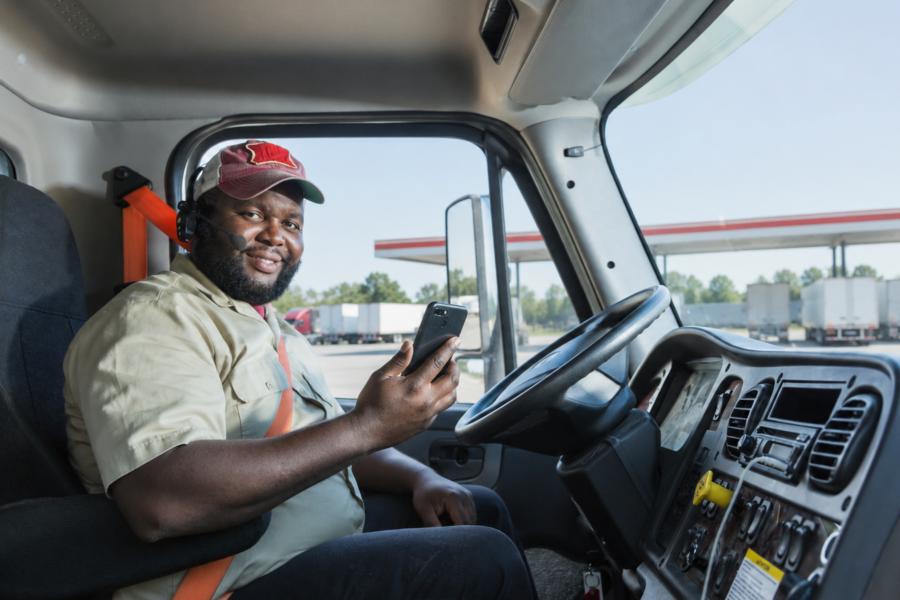
Not all dispatchers are equal, and it shows in your settlements. Entry-level positions are easy to find, but a green dispatcher and a seasoned one produce very different results. Experienced dispatchers know which brokers pay, which lanes run hot, and how to hold a rate. That experience is the competitive edge you are paying for.
The Career Path That Builds a Great Dispatcher
A dispatcher's career path starts with the basics and grows through reps. Many dispatchers begin with simple loads, learn how dispatching works, and move up while building relationships and judgment. The freight transportation side rewards anyone who keeps learning, because the transportation sector and the freight market never stop changing.
How Dispatchers Gain Experience
Dispatchers gain experience the way drivers do: load after load. Prior experience on the broker side or in the logistics industry is a major head start, which is why a dispatcher who has worked freight beats someone who only finished an online course. A successful truck dispatcher is built through reps and real broker relationships, not a two-week class.
What Sets an Independent Truck Dispatcher Apart
An independent truck dispatcher works for the carrier, not the broker. An independent dispatcher's incentives match yours: when you earn more, they earn more, because most charge a percentage of the load. Truck dispatchers typically earn 5% to 10% commission per load, so a good one chases high-paying loads, not just any load. For context, national wage data for dispatchers puts the role in the low-to-mid $50,000s a year, though independents on commission can do better. Groups like the Owner-Operator Independent Drivers Association exist to protect the small operator's bottom line.
How Your Dispatcher Works With Every Freight Broker
Most freight still moves through a freight broker, so a dispatcher's relationships with brokers and freight agents directly affect your rates. A dispatcher with strong broker relationships across many trucking companies negotiates from strength. The American Trucking Associations tracks how much of the nation's freight runs through this broker-carrier network.
-
A trusted dispatcher gets first call on better freight, because brokers route their best loads to dispatch operations they rely on.
-
Clean rate confirmations and on-time delivery build a business name brokers remember, and better offers over time.
-
Dispatchers who read the freight market hold rates instead of taking the first number offered.
What Carrier Onboarding Looks Like
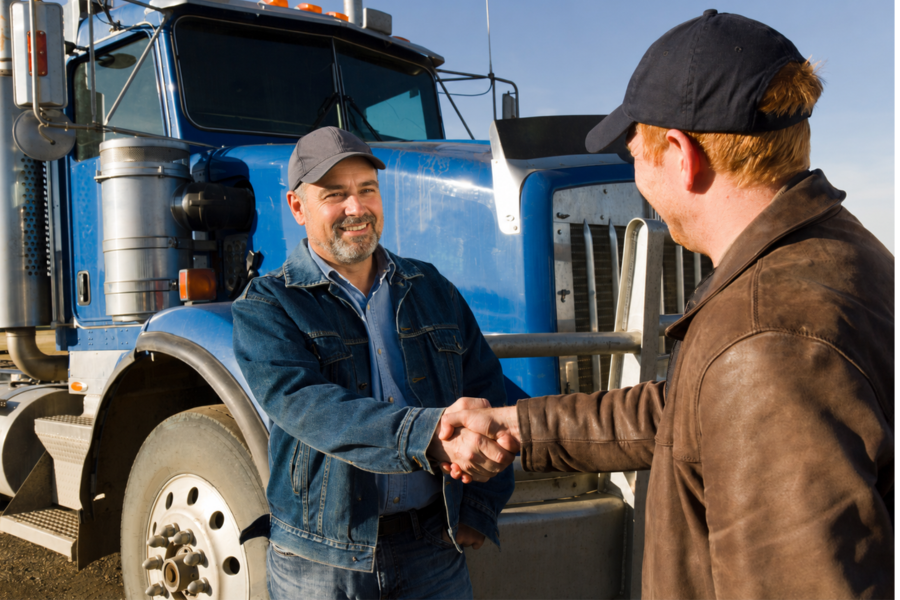
A professional dispatch service makes carrier onboarding simple, and it happens remotely. Getting started with a dispatch company means a few documents and a dedicated dispatcher who learns your truck, lanes, and goals.
-
Your MC authority, certificate of insurance, and a W-9 get you set up; from there your dispatcher handles the freight while you drive.
-
Whether you run a box truck, power only, or hotshot loads, onboarding pairs you with a dispatcher who knows that equipment.
-
Compare straightforward dispatch pricing up front, with no admin fees, just a percentage of gross revenue.
Want to see the standard in practice? Our dispatcher training standards page shows how Resolute prepares the people who book your freight.
The Standard Behind Every Loaded Truck
Truck dispatcher training is the foundation, but training plus real experience is what keeps a truck loaded and profitable. The right dispatch service finds the right freight, handles the paperwork, and protects your authority.
One more piece every trucking business feels: cash flow. Even a booked load does not help if you wait 30 to 90 days to get paid. That is why Resolute pairs dispatch with freight factoring so you get paid fast after delivery instead of floating the wait. If you want a team that books smart freight and keeps your cash flow steady, reach out to Resolute Logistics and let our trained dispatchers handle the logistics while you focus on the road.