For owner operators who want to keep their truck moving without sinking tens of thousands into a trailer, power only loads are one of the most practical ways to stay loaded. You bring the tractor, the shipper provides the pre loaded trailer, and you haul the freight to the destination, with no trailer to buy, no trailer to maintain, and far less time waiting at the dock.
Power only trucking has grown fast as shippers and brokers look for carriers with an available power unit to move their own equipment. This guide breaks down how power only loads work, the advantages and trade-offs, what you need to start, and where to find consistent power only freight.
What Are Power Only Loads?
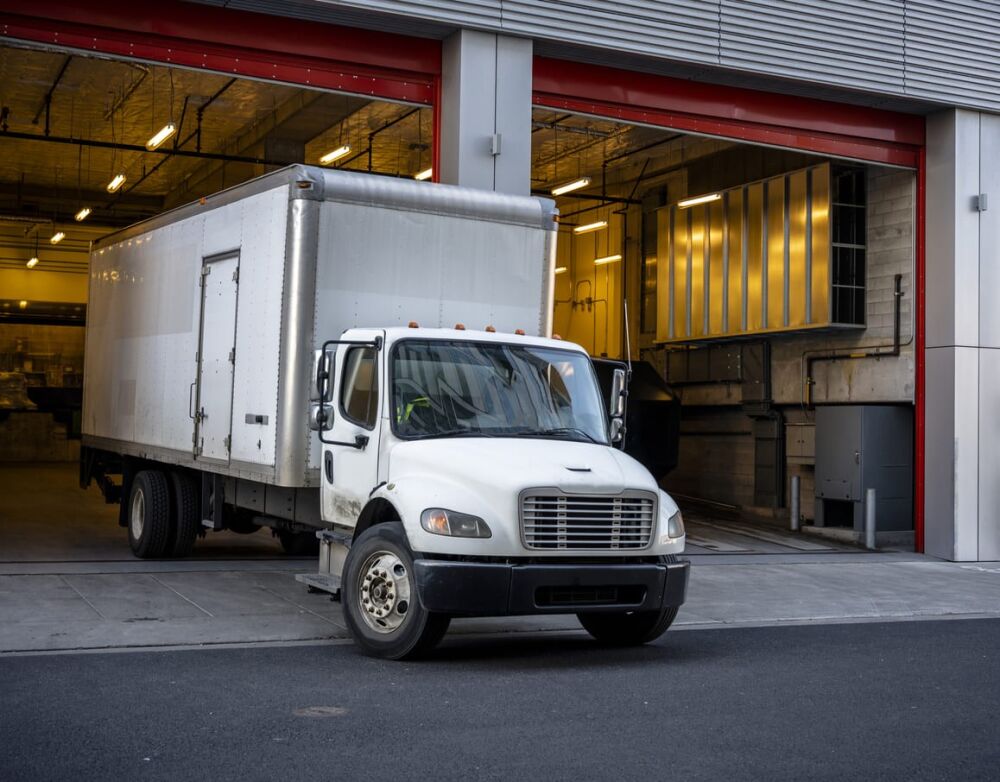
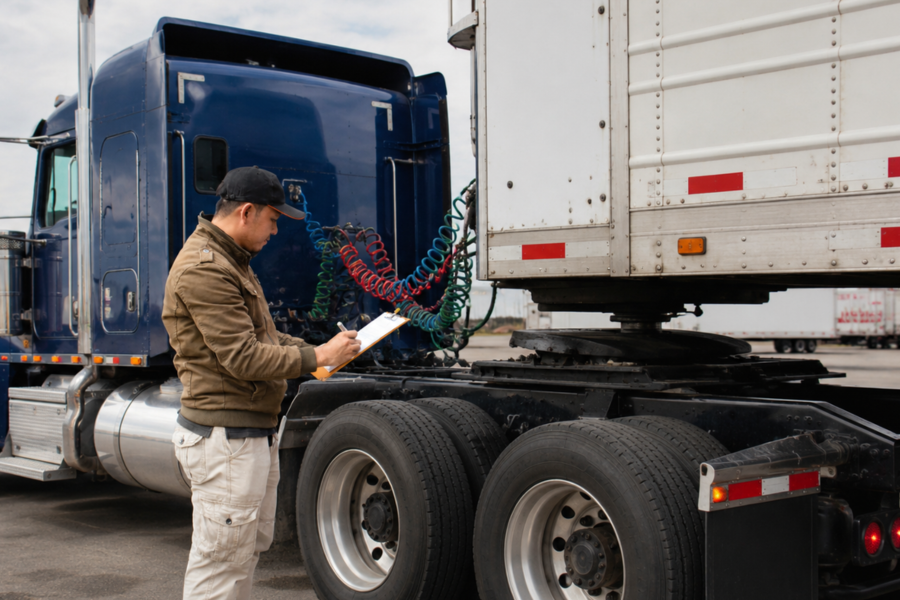
A power only load is an arrangement where the carrier supplies only the truck, known as the “power unit,” while the shipper or broker supplies the trailer. The trailer is usually pre loaded and ready when you arrive, so your job is to hook up, haul the cargo, and deliver it.
This differs from traditional trucking, where the driver owns both the tractor and the trailer. With power only freight, the shipper keeps control of their trailer assets while you focus on moving loads from origin to destination. Retail, construction, and manufacturing all lean on power only carriers to move general freight when they own large trailer pools and just need drivers to pull them.
How Power Only Trucking Works
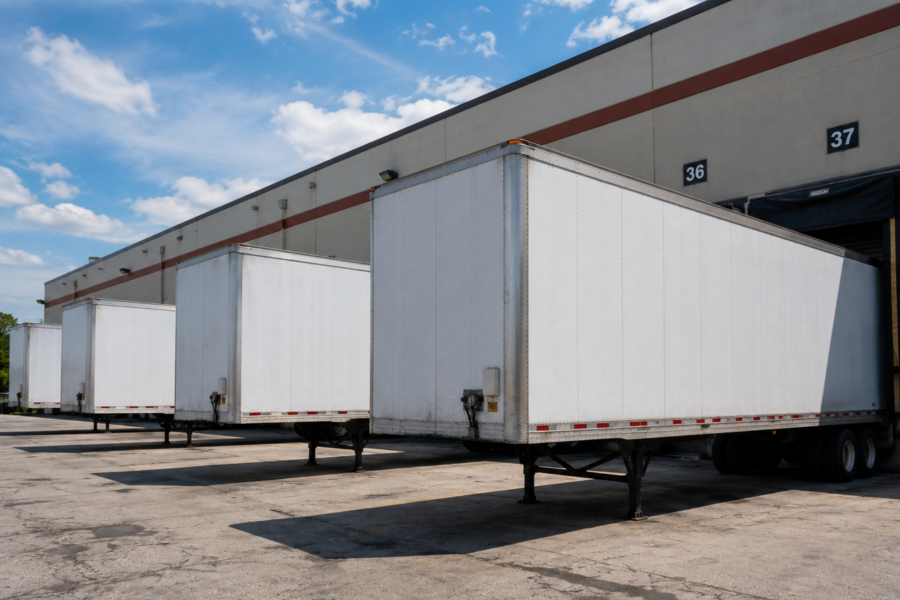
Most power only trucking runs on a drop and hook model. Instead of waiting while a trailer is loaded, you arrive, drop an empty if needed, hook to a pre loaded one, and get back on the road. Less time waiting means more miles and more money. A typical power only load flows like this:
-
You book a load through a broker, shipper, or load board, agreeing on the rate, pickup, and delivery before you roll.
-
You hook to the shipper's pre loaded trailer. A trailer interchange agreement defines who is responsible for the trailer while it is in your care.
-
You transport the freight to the destination, drop the trailer, and move on to the next load.
Because the trailer is not yours, drop and hook loads keep your tractor productive and cut the dead time that eats into an owner operator's day.
Why Owner Operators Take Power Only Loads
The biggest draw is flexibility. You can pull dry van, flatbed trailers, and other equipment without buying any of it, which lets you say yes to more freight. For new carriers especially, this is a way to start hauling right after buying a tractor, before saving for a trailer. The main benefits:
-
Lower startup costs, since you skip buying and maintaining a trailer of your own.
-
Faster turnaround from drop and hook operations, with less time waiting at docks and more loads per week.
-
Access to additional capacity work during peak seasons, when shippers need extra power units to move freight.
Many drivers pair power only work with our power only dispatch service to stay booked without spending the day searching load boards.
The Cost Savings of Skipping Trailer Ownership
A new trailer can run $20,000 to $60,000 or more, plus maintenance, registration, and storage. Power only freight lets you avoid all of it, which can improve efficiency for a growing business by cutting trailer-related overhead. Those cost savings are what make the model attractive to small carriers and owner operators growing without heavy debt. Operating costs tracked by the American Transportation Research Institute show how fast equipment and upkeep eat into a carrier's margins.
Without your own trailer to manage, you spend less on upkeep and have fewer assets to insure, freeing up money you can put toward fuel, your tractor, or a cushion for slower weeks. For a fleet looking to scale, power units are added faster and cheaper than full tractor-trailer combinations. You can compare setups on our dispatch pricing page.
Greater Flexibility Across Different Trailer Types
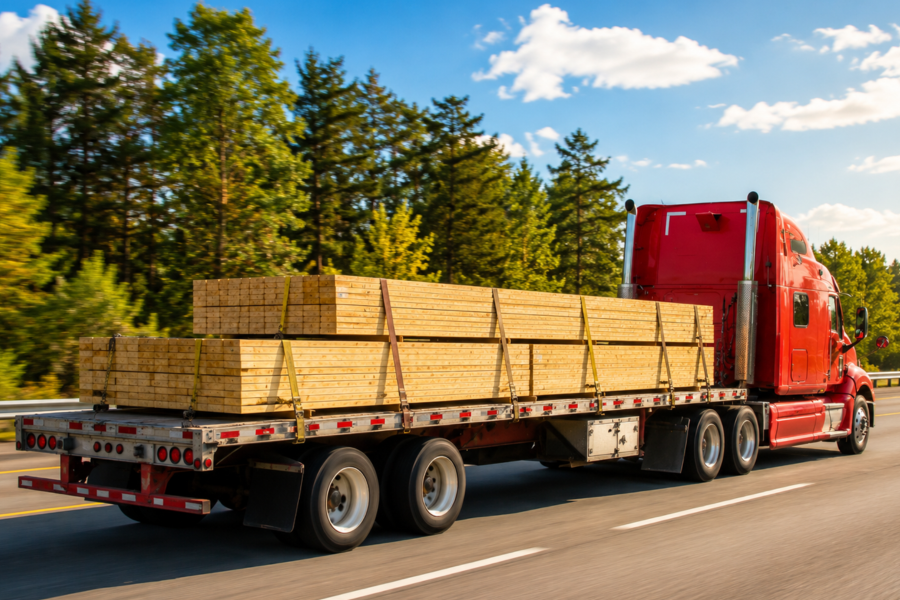
One underrated advantage of power only trucking is variety. Because you are not locked into one trailer, you can move different trailer types depending on what pays best on your lanes: dry van one week, flatbed or step deck trailers or shipping containers the next.
That greater flexibility helps you adapt when demand shifts. If reefer freight slows, you can pivot to general freight or drayage work pulling shipping containers, keeping your truck loaded year-round instead of tied to one freight type.
The Trade-Offs to Know About
This model is not for everyone. Because you haul equipment you do not own, most power only freight requires a trailer interchange agreement and trailer interchange insurance, which covers the trailer if it is damaged in your care, an added cost and more paperwork. Other trade-offs to weigh:
-
Load availability can be inconsistent, so you may work several brokers and a load board to stay booked.
-
You have less control over equipment condition, since trailer maintenance is the shipper's responsibility, not yours.
-
Competition for the best-paying loads can be tough, especially on popular lanes.
None of these are dealbreakers, but they are worth understanding before running power only full-time.
Where to Find Power Only Freight
Power only freight shows up in the same places as standard truckload work. The most reliable sources are:
-
Load boards, where shippers and brokers post power only loads you can filter, book, and manage in one place for added convenience.
-
Freight brokers who specialize in moving pre loaded trailers and often have steady power only lanes, and strong broker relationships can connect carriers to a broader network of opportunities.
-
Direct relationships with shippers and companies that own trailer pools and need consistent power to move them.
Building direct relationships over time takes you off the spot market into more predictable work. A good truck dispatch service can also keep your tractor moving by sourcing power only loads and negotiating rates, so you spend less time searching and more time driving.
Using a Load Board to Find Power Only Loads
A load board is the fastest way to see what power only freight is available on your lanes right now. Most boards let you filter by trailer and load type, so you can search specifically for power only loads and check rates before booking. The Owner-Operator Independent Drivers Association offers guidance on rates and contracts to help you judge whether a load is worth taking.
If you are new to these platforms, start with one or two consistent lanes and build a track record before branching out. Our guide on how load boards work covers the basics, and posting your available power unit and capacity lets brokers come to you.
What You Need to Run as a Power Only Carrier
To run as a power only carrier with your own authority, you need the basics any owner operator needs, plus a few specifics:
-
Active operating authority with an MC and DOT number registered through the FMCSA, plus the right insurance.
-
Trailer interchange insurance to cover trailers you do not own while they are hooked to your truck.
-
For interstate work, an International Registration Plan and IFTA account tied to the federal apportioned registration system.
Beyond paperwork, you mainly need a reliable tractor and disciplined drop-and-hook operations to support better efficiency when running power only freight. Many owner operators with their own trailers still take power only loads to diversify and keep miles up. Our team can walk you through factoring and dispatch options built around how you run.
Getting Paid Fast on Power Only Loads
Even the best-run power only operation faces the same problem every carrier does: brokers and shippers often take 30 to 90 days to pay. When the freight is delivered but the money has not landed, fuel and truck payments do not wait. Data from the Bureau of Transportation Statistics shows trucks move the largest share of the nation's freight by value, yet the carriers hauling it often wait longest to get paid.
That is where freight factoring comes in. Instead of waiting on slow invoices, you sell the invoice once the load is delivered and get cash the same or next day. Resolute Logistics offers factoring with no setup cost, no monthly minimums, free credit checks on brokers, and next-day funding via ACH. It is not a loan. It is getting paid now for work you have already done.

Keep Your Truck Loaded and Earning
Power only loads give owner operators a low-cost, flexible way to keep their tractor earning without the weight of trailer ownership. They reward drivers who stay organized, work their load board and broker relationships, and keep their truck moving across the right lanes to support business growth with a more efficient operating model. If you are ready to take on more power only freight and want a partner to handle the load-finding, tap into a broader carrier network, and keep your cash flowing while you drive, reach out to the Resolute Logistics team and let's get your truck booked.