
Most owner operators know how to drive. What separates those who build a lasting career in the trucking industry from those who just survive is knowing their numbers. Gross revenue looks impressive on paper. Net income what is left after every expense is paid, is what actually matters.
This guide breaks down how to increase your earnings per mile, reduce what you spend to get there, and keep cash flowing so your operation never stalls between paydays.

What Owner Operators Actually Earn
Understanding owner operator salary starts with separating gross revenue from actual take-home pay. According to the American Trucking Associations, trucking generates hundreds of billions in annual freight revenue, but individual operators see a fraction of that after expenses. Here is what the numbers typically look like:
- Owner operators typically generate $150,000 to $350,000 or more in annual gross revenue, depending on equipment type, mileage, and freight mix. Experienced operators operating specialized equipment can earn over $318,000 in gross earnings per year.
- After fuel, insurance, maintenance, truck payments, and taxes, most operators net between $45,000 and $85,000 annually. The average net income for a single-truck operation was approximately $64,524 in late 2024.
- Top earners who control costs and follow disciplined lane strategies can exceed $150,000 net per year. Operators with their own MC number typically earn 20 to 40 percent more gross than those leased to a carrier.
- A company driver receives a steady paycheck and has fuel, insurance, and truck costs covered by their employer. An owner operator earns more per mile but carries every one of those expenses personally. The freedom to choose your own loads, set your own schedule, and build your own business comes with greater independence and greater financial responsibility.
- Most owner operators start their journey as company drivers to gain experience before transitioning to running their own authority. Apply when you are ready. The path to owning your own trucking business is well-established in this industry.
The gap between a profitable owner operator and one who struggles is rarely freight. It is the cost structure underneath it.
Know Your Cost Per Mile Before You Book a Load
Cost per mile is the most essential number in your own trucking business. It tells you the minimum rate you need to receive for a load to be financially viable. Without it, every booking is a guess. The formula is straightforward: divide your total expenses by total miles driven to get your cost per mile. Use that number to estimate your floor rate and plan your budget before you book any load.
Your costs fall into two categories:
- Fixed costs — expenses that do not change regardless of distance traveled: truck payment, insurance, permits, registration, and ELD fees.
- Variable costs — expenses that increase with mileage: fuel, tires, tolls on highways, and IFTA taxes. Meals, food, drinks, and restaurants on the road are also regular daily expenses that add up over the course of a year.
The American Transportation Research Institute consistently finds that operators who track cost per mile earn more per loaded mile than those who do not. The Bureau of Transportation Statistics tracks operating cost trends across the industry useful for benchmarking your own numbers. Operating costs reached $2.26 per mile in 2024. Review and recalculate every month.

The Biggest Owner Operator Expenses and How to Reduce Them
Controlling expenses is where most of the real profit is made. These are the five largest cost centers and where to find savings in each:
- Fuel — Typically 25 to 35 percent of gross revenue, with annual costs running between $45,000 and $75,000. Use a fuel card with per-gallon discounts, choose routes to avoid high-price states, and reduce idle time. Improving fuel economy by just 1 MPG can save $8,000 or more per year.
- Insurance — As a self-employed operator, you are responsible for your own coverage. Shop annually. A clean safety record and low CSA scores give you leverage. Bundling cargo, liability, and physical damage with one carrier often reduces total cost.
- Maintenance — Follow a set schedule for oil changes, brake inspections, and tire rotation. Preventive maintenance is always cheaper than reactive repairs. An unplanned breakdown costs the repair bill plus lost earnings while the truck sits.
- Truck payment — Right-size your equipment to your freight type. A $2.50 per-mile payment becomes a serious problem at $1.80. Understand your break-even rate before you finance.
- Deadhead miles — Every empty mile is distance traveled at a cost with no return. Build lanes that minimize repositioning and work with a professional dispatch service that can pair loads to cut empty runs.
How Owner Operators Can Increase Revenue Per Mile
More miles are not always more money. An owner operator who runs 2,000 miles at $2.50 takes home more than one who runs 3,000 miles at $1.60. Revenue per mile determines how profitable your week is, not total distance traveled. These habits separate operators who run profitably from those who stay busy but break even:
- Know your cost per mile and set a minimum rate before you search. Any load that does not clear your number is not worth running.
- Filter loads by rate per mile, not total load value. Use the rate check tools in DAT or Truckstop to compare freight rates and determine whether the distance and deadhead make the load worth taking.
- Build preferred lanes. Consistent routes let you negotiate based on experience and build relationships that yield better loads over time. Operators who know their lane, the market rates, seasonal patterns, and reliable partners consistently outperform those who choose whatever shows up on the board.
- Negotiate rates using market data. It is important to know the lane average before you get on the phone.
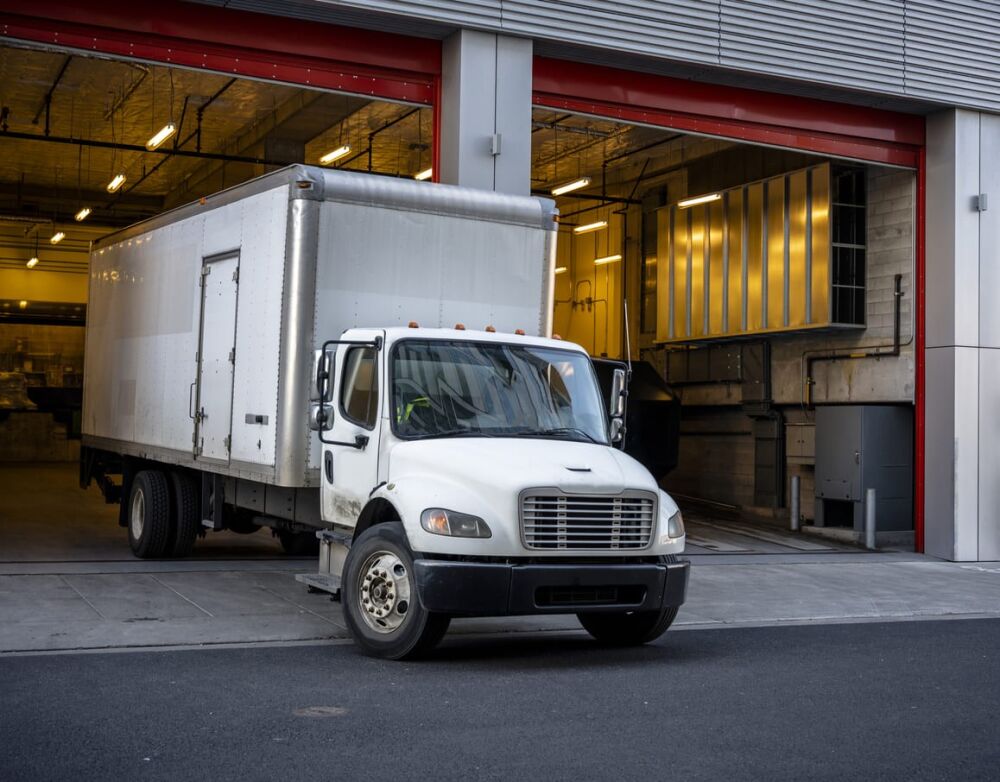
- Match your equipment to the highest-paying freight type. Rates vary significantly across reefer, flatbed, hotshot, box truck, and power-only, depending on the market and season. Specialized loads can command $3.00 to $4.50 per mile or more.

Managing Risks and Staying Prepared
Every owner operator faces challenges that can affect earnings, including breakdowns, slow freight markets, and rising costs. Being prepared is essential to long-term success:
- Keep an emergency fund to cover unexpected repairs and downtime. A single breakdown without reserves can stall your entire operation.
- Stay informed about industry regulations. Changes to Hours of Service rules, required permits, or state standards can affect how you operate and what you charge. Access to current information is a competitive advantage.
- Build a reliable network of mechanics, peers, and support. Explore resources on the OOIDA website to stay connected to the independent carrier community and find useful content for running your business.
- Review your expenses and mileage every month. Catching a trend early, rising costs, declining rate per mile, and increasing deadhead are worth far more than discovering it at year's end.
Cash Flow and Dispatch: Two Problems Worth Solving Together
Even a profitable owner operator can run into serious trouble when broker payment terms stretch 30 to 90 days. According to FMCSA data, over 90 percent of U.S. carriers operate ten or fewer trucks most do not have the cash reserves to absorb long payment delays. You delivered the load. Waiting on payment should not slow you down.
Freight factoring eliminates that gap. Deliver the load, sell the invoice, and receive payment the same day or next day. Resolute's factoring services include same-day processing, next-day ACH at no cost, and free credit checks on shippers and brokers before you accept a load.
The second problem is time. Every hour spent on boards, negotiating rates, and chasing check calls is an hour you are not driving. A dispatcher handles all of it so you can stay focused on the road. Resolute charges a straightforward percentage with no admin fees. See the pricing page for a full breakdown by equipment type.

The Bottom Line
Building a successful owner operator business means controlling both sides of the equation, what you earn and what you spend. Track your cost per mile, follow a disciplined approach to load selection, and solve the cash flow problem before it affects your operation. The operators who last are the ones who know their numbers, own their lanes, and use the right partners to stay efficient. We work with dry van, reefer, hotshot, box truck, power only, and flatbed operators across the U.S. and Canada. If you are ready to run a tighter operation, contact us today.