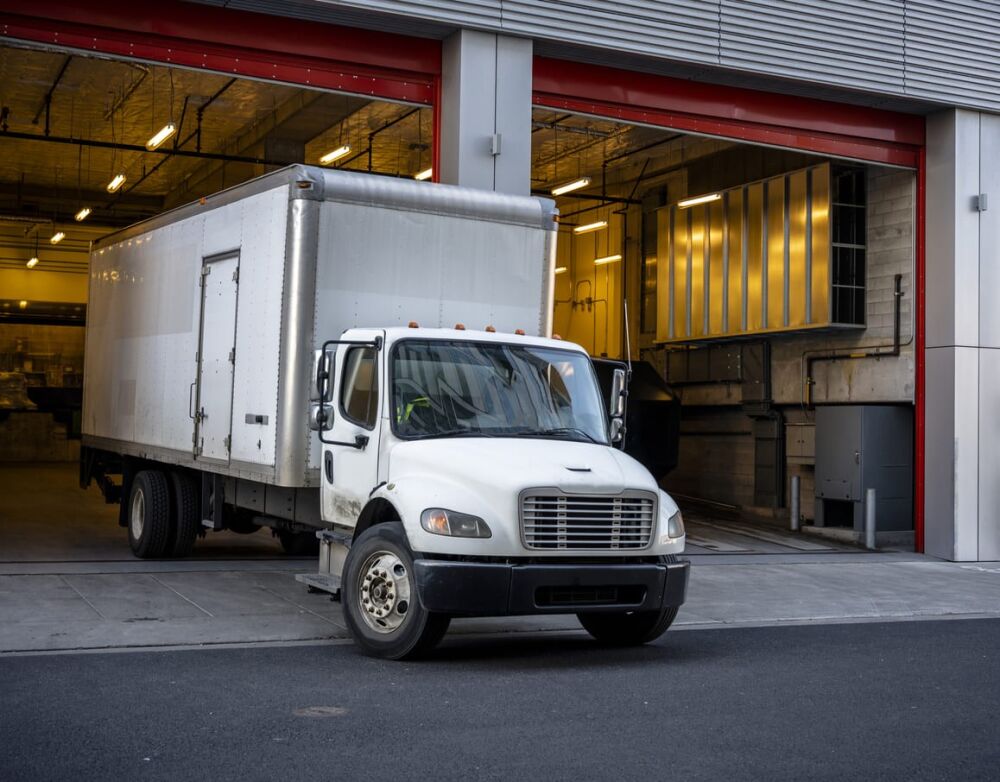

Because industries like construction, manufacturing, and energy depend on open-deck transportation for big and irregular freight, the demand for flatbed loads keeps rising. Flexibility, frequently better freight rates, and steady demand throughout several US regions are all benefits of flatbed transportation. Knowing the finest freight security techniques will help drivers entering this market maintain steady operations and long-term profitability.
Is it profitable to drive a flatbed?
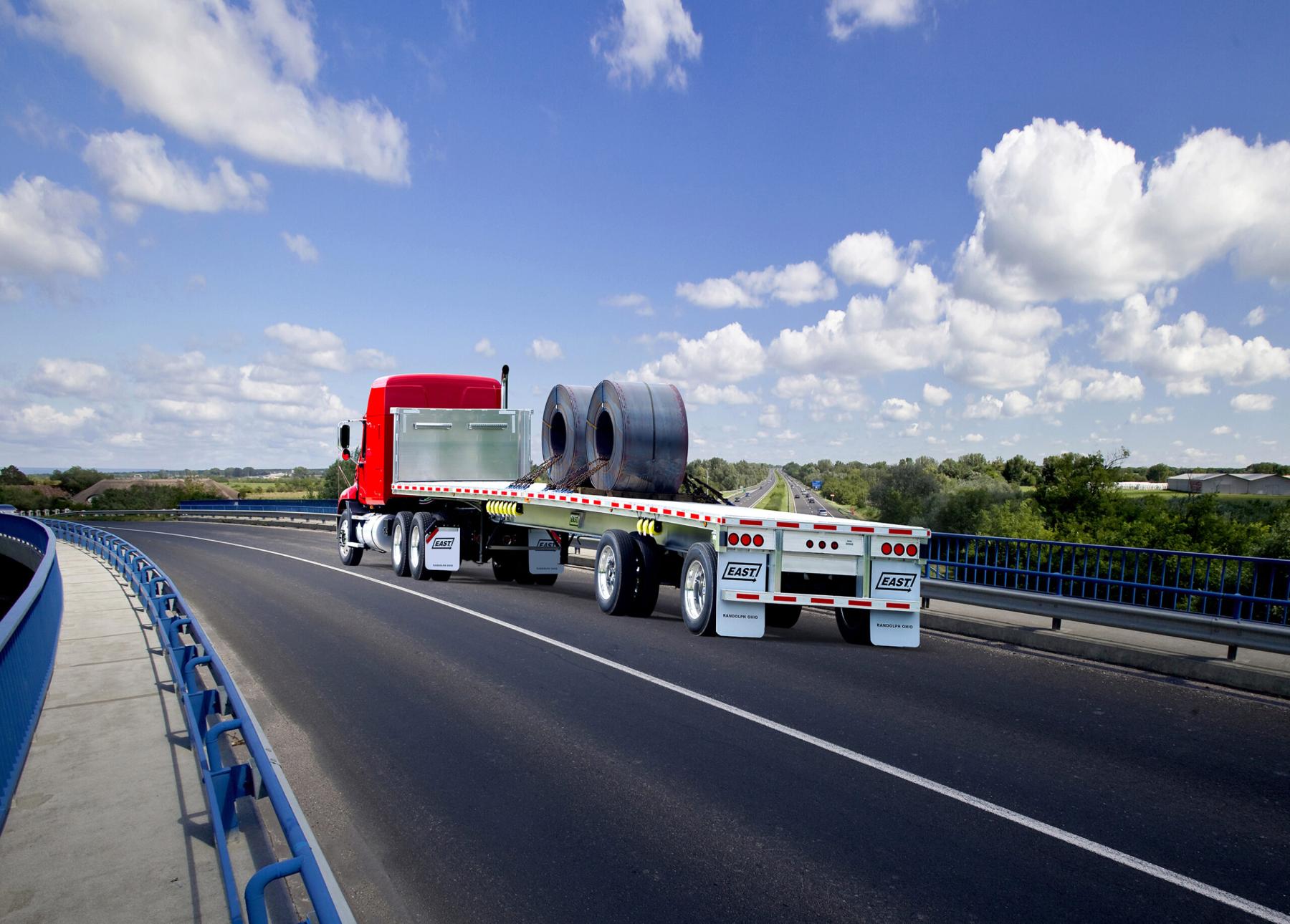
When compared to other forms of freight transportation, operating a flatbed truck can be very profitable. The market frequently offers higher rates than typical dry van shipments since flatbeds transport specialty items, including steel beams, building supplies, machinery, and big equipment. Managing a single flatbed load frequently calls for extra abilities like tarping, route planning for big freight, and cargo securement. Although these extra duties could add to the strain, they also present chances for increased income and long-term agreements with business clients.
Open-deck shipping is frequently needed by numerous businesses in the construction and industrial industries. For commodities that cannot be transported in covered trailers, these sectors rely on reliable transportation options. Flatbed trucking can give owner operator drivers access to premium freight routes and flexible scheduling. Strong industry ties help independent carriers obtain recurrent loads that provide steady monthly income.
Flatbed freight demand also varies depending on the region. For example, major construction and energy projects often increase freight demand, while port operations and industrial shipments create similar opportunities. Understanding these regional freight trends can help drivers identify where the most profitable loads may be available.
The most effective 3 ways to get flatbed truck loads
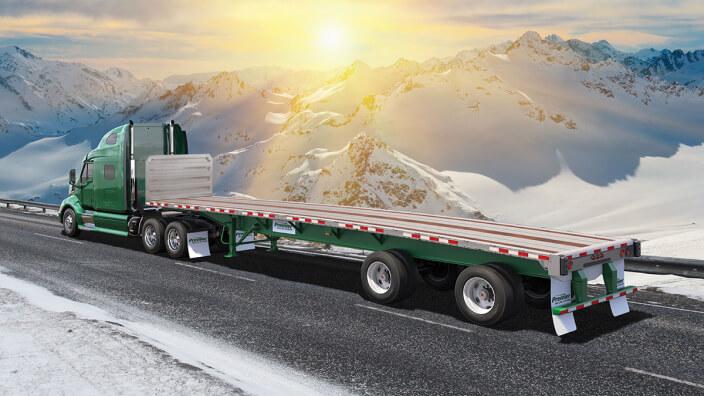
Finding reliable freight requires a combination of industry knowledge, networking, and technology. Drivers entering this segment often spend time looking for strategies that provide consistent work without spending hours each day searching for freight. Carriers who want steady access to flatbed trucking loads usually rely on several key methods, including digital platforms, freight brokers, and professional dispatch support.
TOP 3: Flatbed load boards
Load boards remain one of the most widely used tools in the trucking industry. These platforms allow drivers to browse listings posted by brokers, shippers, and logistics companies seeking available trucks. Many drivers looking for freight begin with load boards because they offer large databases of shipping opportunities across different regions and cargo types. A specialized load finder tool can help filter shipments based on equipment type, route preferences, and freight weight.
Load boards frequently include flatbed trailer loads transporting steel coils, lumber, machinery, or construction materials. While this approach can provide a steady stream of listings, competition among carriers can sometimes push rates lower. Some platforms also provide load monitoring features that track freight activity in different regions. These tools help drivers identify markets where more shipments are available, making it easier to plan profitable routes.
TOP 2: Broker Service
Freight brokers play an important role in the logistics industry by connecting shippers with available carriers. These professionals coordinate transportation for companies that need freight moved quickly and efficiently. Many drivers secure flatbed freight loads through brokers who maintain relationships with manufacturers, warehouses, and construction companies. Brokers often manage shipment details, negotiate rates, and coordinate communication between shippers and drivers.
Working with brokers can help drivers reduce the time spent searching for shipments independently. Instead of browsing dozens of listings, carriers receive direct freight offers that may already be negotiated and scheduled. For an owner operator, brokers can also provide access to specialized shipments that might not appear on public platforms. Although brokers typically charge a commission, the time savings and steady freight opportunities often balance these costs. Freight brokerage networks frequently include large shipping markets such as Texas and coastal trade hubs like Florida, where manufacturing and international trade create continuous demand for transportation services.
TOP 1: Dispatch Service
Professional dispatch services are increasingly becoming the preferred solution for independent carriers who want consistent freight without spending hours searching for loads. Dispatch teams specialize in locating shipments, negotiating rates, and coordinating transportation details. The concept of flatbed truck dispatch focuses on helping drivers secure the most profitable freight while handling the administrative tasks that can slow down daily operations.
Dispatch specialists monitor multiple load boards, broker networks, and shipper databases simultaneously. This broad visibility allows them to identify freight opportunities faster than most individual drivers. Instead of spending valuable time finding freight to haul, drivers can rely on dispatch professionals who actively search for shipments, negotiate competitive rates, and manage documentation requirements.
For drivers working as an owner operator, dispatch services provide a balanced approach between independence and professional support. The dispatcher represents the carrier’s interests and works to keep trucks moving while ensuring routes remain profitable.
Additional ways to find available flatbed loads
Beyond load boards, brokers, and dispatch services, several other strategies can help drivers locate consistent freight opportunities. Many experienced carriers diversify their freight sources to reduce downtime between shipments.
Some additional methods include:
- Building relationships with steel mills and manufacturing plants
- Partnering with construction companies and equipment suppliers
- Working with logistics providers that specialize in industrial cargo
- Joining regional trucking associations and networking groups
- Monitoring specialized freight platforms focused on open-deck transport
These strategies can help drivers identify flatbed loads for owner operators that may not appear on standard freight platforms.
Tips for finding local flatbed loads near you
Local freight can provide a stable income while reducing long-distance travel. Drivers who focus on regional operations often maintain strong relationships with construction firms, lumber yards, and machinery distributors. These businesses regularly require transportation for oversized cargo and building materials. Drivers may find consistent opportunities transporting equipment between nearby facilities.
When searching for freight near you, it can be helpful to research regional construction projects, industrial developments, and warehouse operations. Many of these businesses require frequent deliveries of building materials and machinery.
Regional freight markets often provide consistent shipments in Texas where large infrastructure projects generate transportation demand. Similar opportunities exist in Florida, particularly around coastal shipping hubs and expanding construction zones. By focusing on local partnerships and industry connections, drivers can discover freight opportunities that remain consistently available within their preferred operating area.
How to find flatbed loads for owner operators

To preserve regular work schedules, independent carriers frequently employ a variety of tactics. An owner operator has to strike a balance between driving duties and administrative duties like scheduling, negotiating, and freight searches. Creating a methodical search procedure is frequently the first step in learning how to find trustworthy shipping. Drivers may find the finest freight prospects for their equipment by combining digital technologies with industry networking.
Many carriers start by looking into local freight markets, keeping an eye on load boards, and making direct contact with possible shipping partners. Others decide to collaborate with dispatch firms that specialize in organizing the transportation of flatbed freight. Drivers may find shipments, bargain for lower prices, and keep reliable transportation schedules with the aid of these dispatch services.
Flatbed freight loads from Resolute Logistics
Working with competent dispatchers can help drivers find reliable freight. Resolute Logistics provides freight dispatching services and support to help carriers maintain work schedules and streamline freight coordination. Founded by logistics experts, the organization connects carriers with reliable shipping partners across numerous industries.
To maintain carrier profitability, the dispatch team explores freight networks, evaluates routes, and negotiates rates. Drivers receive help finding flatbed loads that match their route preferences and equipment capabilities instead of spending hours browsing for advertisements.
Resolute Logistics manages shipper and broker communication to ensure efficient collection and delivery. Their staff monitors freight markets to find available routes to enable truckers to maintain operations. Resolute Logistics helps carriers find profitable flatbed freight opportunities using industry knowledge, shipper contacts, and advanced freight search tools.