Owner-operators often spend significant time on load boards searching, filtering, checking rates, and negotiating. However, many end up with mediocre freight that barely covers costs. The issue is usually not the load board itself but how it is used. Load boards are online marketplaces and networks connecting shippers, freight brokers, and carriers, including truck drivers, to efficiently match freight loads with available transportation providers. Freight matching is a core feature that enables truckers to quickly and reliably find loads through a trusted network. Load boards help shippers and brokers find carriers and truckers find loads, reducing empty miles and improving efficiency.
What Is a Load Board?
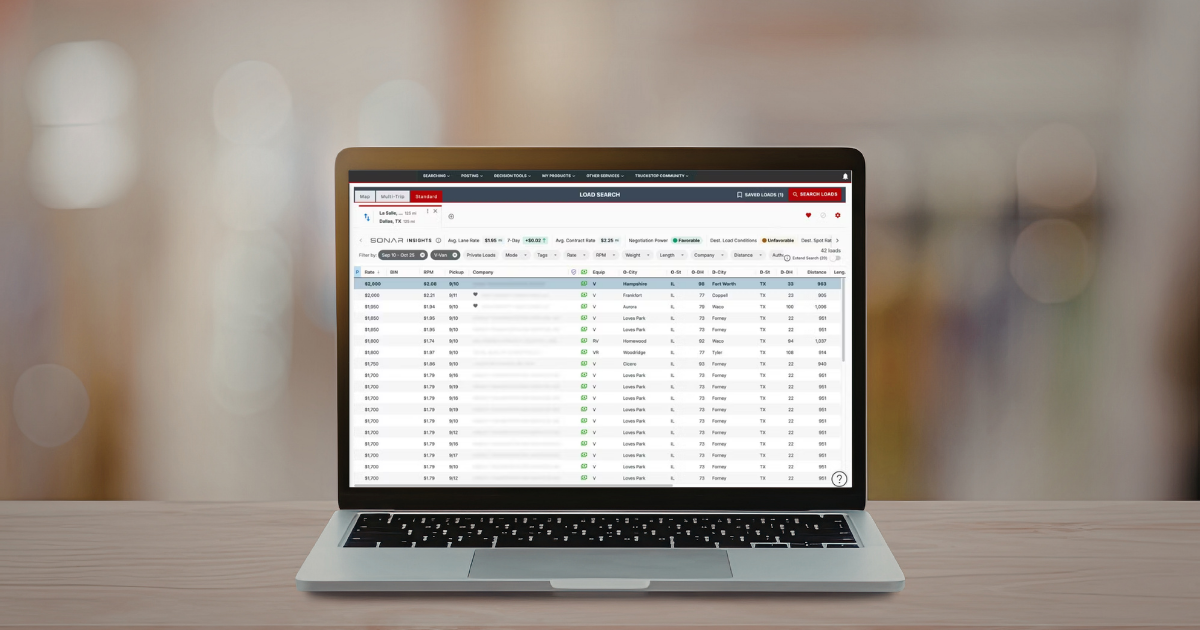
A load board is a digital platform where freight brokers and shippers post loads, and carriers search for freight to haul. These online load boards and load-matching platforms simplify finding freight and give carriers access to more loads than traditional methods. Brokers list details such as origin, destination, rate, and equipment needed. Carriers filter and contact brokers to book loads. The transaction happens off-platform. The Bureau of Transportation Statistics reports that trucking moves the majority of freight tonnage in the United States, with a significant share moving through spot market channels where load boards are the primary sourcing tool. Load boards are essential for spot market freight and help carriers find truck loads quickly.
Common features include:
-
Search filters by equipment, lane, and rate
-
Broker contact information and credit scores
-
Ability to review broker credit scores and safety ratings before finalizing a deal
-
Rate analytics and lane history
-
Real-time alerts
-
Mobile access, load tracking, and integration with Transportation Management Systems (TMS)
-
Rate check and comparison tools
Free load boards offer basic features, but often come with limitations, such as fewer loads available and restricted features. Paid boards offer advanced features, including vetted networks, broker verification, and integration with Transportation Management Systems (TMS). Public load boards are accessible to any registered user, while private boards are exclusive networks maintained by large brokers. Popular load boards include 123Loadboard (free and easy), C.H. Robinson (largest free board), DAT (most diversified), Truckstop (feature-rich), and Trucker Path (community-focused).

Why Load Boards Matter for Owner-Operators
For small carriers without contracts, load boards are the primary source of freight. They help avoid empty miles by finding backhauls and consistent routes. According to ATA industry data, the vast majority of motor carriers in the United States operate fewer than six trucks. These small carriers are the backbone of spot freight, and load boards are the market they operate in every single day. However, competition compresses rates, so strategic use is key:
-
Know your true cost per mile
-
Filter for strong reload lanes
-
Check the broker's credit before booking
-
Use rate history to negotiate better rates
-
Avoid low-volume lanes with inconsistent freight
Types of Load Boards
Load boards come in three main types:
-
Public: Open to all, often free, suitable for small carriers and owner-operators
-
Private: Restricted access with higher quality freight and trusted networks
-
Freight Exchange: Real-time matching platforms with advanced tools for load matching and negotiation
Both free and paid options exist within these categories, with paid boards offering more data, tools, and higher-quality loads.
Load Board Features
Load boards are packed with features designed to meet the specific needs of trucking companies, carriers, and freight brokers. The best load board goes beyond simply listing available loads. It offers advanced search options that help carriers find loads tailored to their equipment, preferred lanes, and schedules. With most load boards, users can post loads, search for available loads, and book loads instantly, streamlining the process and saving valuable time.
Search, Alerts, and Mobile Access
A key advantage of using a free trucking load board is the ability to perform unlimited searches, giving carriers full access to a wide range of freight opportunities at no extra cost. Real-time alerts notify users about new loads, changes in freight rates, and updates from trusted brokers, helping carriers stay ahead of the competition and respond quickly to market shifts.
Mobile access is another essential tool for today's trucking business. Load boards like Trucker Path and 123Loadboard offer mobile apps that allow truckers to find loads, manage shipments, and communicate with brokers while on the road. These apps provide access to available freight, document management, and even DOT authority verification, ensuring that carriers can manage their operations efficiently from anywhere.
Rate Comparison and Broker Verification
Comparison tools are built into most load boards, allowing users to compare freight rates, lanes, and market rates. This empowers carriers to make informed decisions, negotiate better pay, and select the best load for their business. By leveraging these tools, trucking companies can reduce empty miles, optimize routes, and maximize their earnings.
Load boards also prioritize security and reliability by offering features like broker credit score checks and document management. These tools help carriers work only with trusted brokers and shippers, reducing the risk of payment issues and ensuring compliance with industry regulations.
Cash Flow and Operational Tools
For trucking companies focused on cash flow, many load boards provide quick pay options and fuel advances, enabling carriers to manage their finances more effectively and keep trucks moving. Real-time alerts and notifications about new loads and market changes further enhance operational efficiency, keeping users informed and enabling proactive decisions.
Ultimately, load boards are essential tools that enable carriers to find loads, reduce empty miles, and increase profitability. With advanced search options, mobile app access, comparison tools, and robust document management, load boards empower trucking businesses to save time, manage operations, and secure the best loads for their specific needs. Whether you are an owner-operator or managing a fleet, leveraging the full range of load board features can help you stay competitive and grow your business.

Common Mistakes Truckers Make
The FMCSA carrier data shows a large and growing number of registered carriers competing for available loads. In that environment, reactive freight selection is one of the fastest ways to compress margins. Specific mistakes that cost carriers money include:
-
Accepting loads without calculating full costs (fuel, maintenance, insurance)
-
Ignoring broker credit scores, risking slow or non-payment
-
Booking into dead markets causes high deadhead miles
-
Not using rate history to negotiate, leaving money on the table
-
Over-reliance on free boards with limited freight quality and volume
How to Find Better Paying Freight
Finding better freight is not about spending more time on load boards. It is about spending smarter time. Carriers who consistently pull higher rates follow a repeatable process. They know their lanes, they know their numbers, and they negotiate from a position of knowledge rather than desperation.
-
Know your break-even and target rates before searching, and use freight matching tools on load boards to find better-paying freight
-
Use lane rate history to negotiate from a data-backed position
-
Plan reloads to avoid deadhead miles and keep trucks moving
-
Check the broker's credit scores and payment terms before booking
The OOIDA Owner-Operator Survey consistently shows that operating expenses consume the majority of gross revenue for independent carriers. Without disciplined freight selection, those margins erode fast. By using load boards strategically, carriers can achieve increased profitability by accessing a wider range of high-paying loads.

Booking Loads: Step-by-Step
-
Create an account and provide the necessary business and equipment information
-
Use filters to search for loads matching your equipment and preferred lanes
-
Post your truck availability to increase visibility to brokers and shippers
-
Bid or contact brokers directly to book loads
-
Manage shipments and documents through the load board's platform
Free Load Boards vs. Paid Platforms
Free load boards offer free access but often have fewer loads available and fewer features than paid options. Paid load boards typically provide more advanced tools, rate data, and higher-quality load opportunities, as well as access to more loads for instant booking. Most load boards require a monthly subscription fee, with costs varying by software quality and available features — typically $54 to $329 per month. Free boards are useful for supplemental sourcing or new carriers building relationships.
Direct Freight Opportunities
Some load boards enable carriers to book loads directly from shippers, bypassing brokers. This can reduce intermediaries and improve margins.
Is a Dispatch Service Worth It?
While load boards provide access to freight, dispatch services offer strategic support. Professional dispatchers negotiate better rates, position trucks for optimal reloads, and handle back-office tasks, allowing drivers to focus on driving. Benefits include:
-
More driving time, less broker negotiation
-
Stronger rate negotiation backed by market knowledge
-
Consistent load flow and better lane planning
-
Reduced deadhead miles and improved cash flow
At Resolute Logistics, freight sourcing is approached as a margin problem, not just a scheduling problem. The focus is on rate quality, lane positioning, and keeping trucks productive, not just keeping them busy.

The Bottom Line on Load Boards
Load boards are powerful tools, but success depends on how they are used. Owner-operators who understand their costs, use data to negotiate, and plan strategically will outperform those who simply scroll for available loads. Combining smart load board use with freight factoring and professional dispatch can improve cash flow and profitability, helping carriers stay ahead in a competitive market.
If you are tired of chasing low-paying freight and spending hours on load boards, working with a professional dispatch team can change your operation. Resolute Logistics helps owner-operators find better loads, negotiate stronger rates, and stay moving.